I have wandered the battlefields of Marvel Rivals Season 2, where every skirmish hums with the echo of shattered metas and the thunder of newfound power. The air is thick with arcane energies, gamma radiation, and the crystalline chill of diamond. It is 2026, and the game has unfolded into a labyrinth of team compositions so potent they feel like poetry in motion—verses of devastation, stanzas of immortality. But beware, dear reader, for some of these compositions are so broken that victory itself becomes a ghost, lingering at the edge of monotony. This is my journey through the most game-breaking team setups I have witnessed, lived, and wielded.
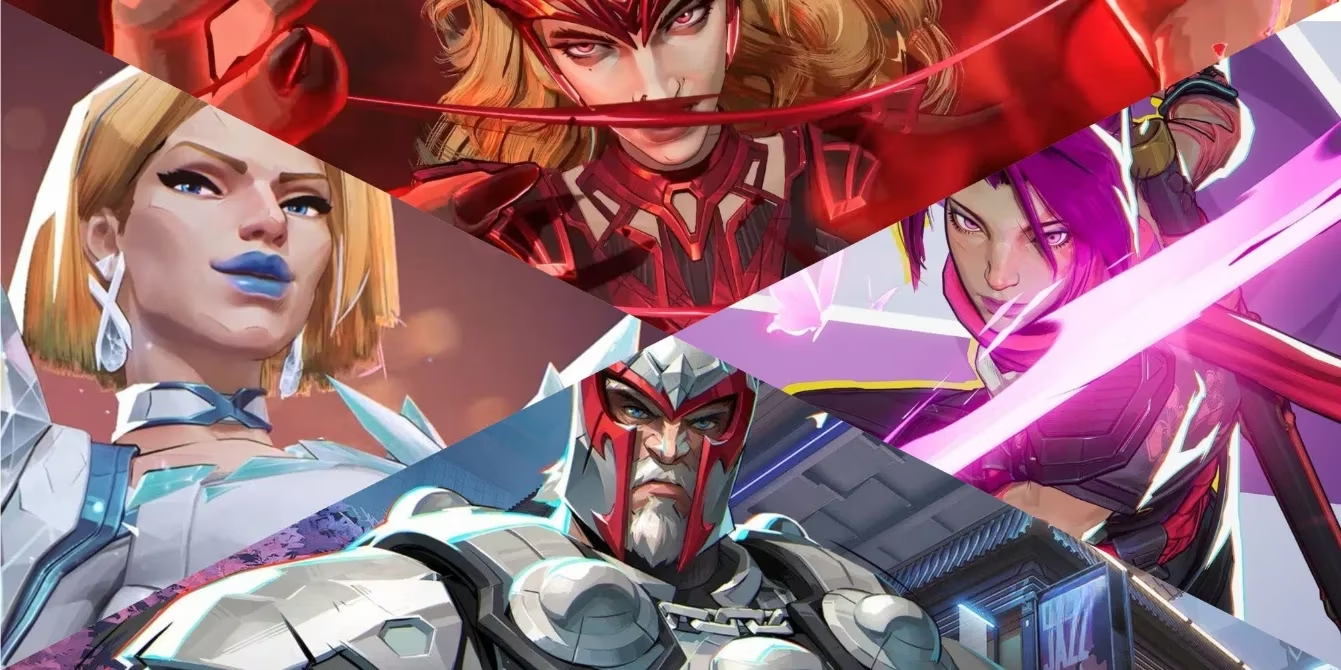
No More Mutants thrums like a dark opera. I stood beside Emma Frost, her Mental Projection weaving doppelgängers from Magneto and Psylocke, a kaleidoscope of psychic might. Magneto’s shield became a sanctuary for Scarlet Witch, whose ultimate—a scream that unmakes reality—now harmonized with Emma’s crystalline shatter and Magneto’s magnetic cataclysm. Together, they carved a sequence of oblivion. Psylocke danced through the chaos, her Butterfly of Annihilation slicing through whatever slivers of life remained. I learned that this composition loves open fields, flanking through shadows, and cascading area damage. It falters only when forced into cramped corridors or against opponents who huddle behind unbreakable barriers. But with Jeff or Luna Snow whispering healing tides, we were unassailable.
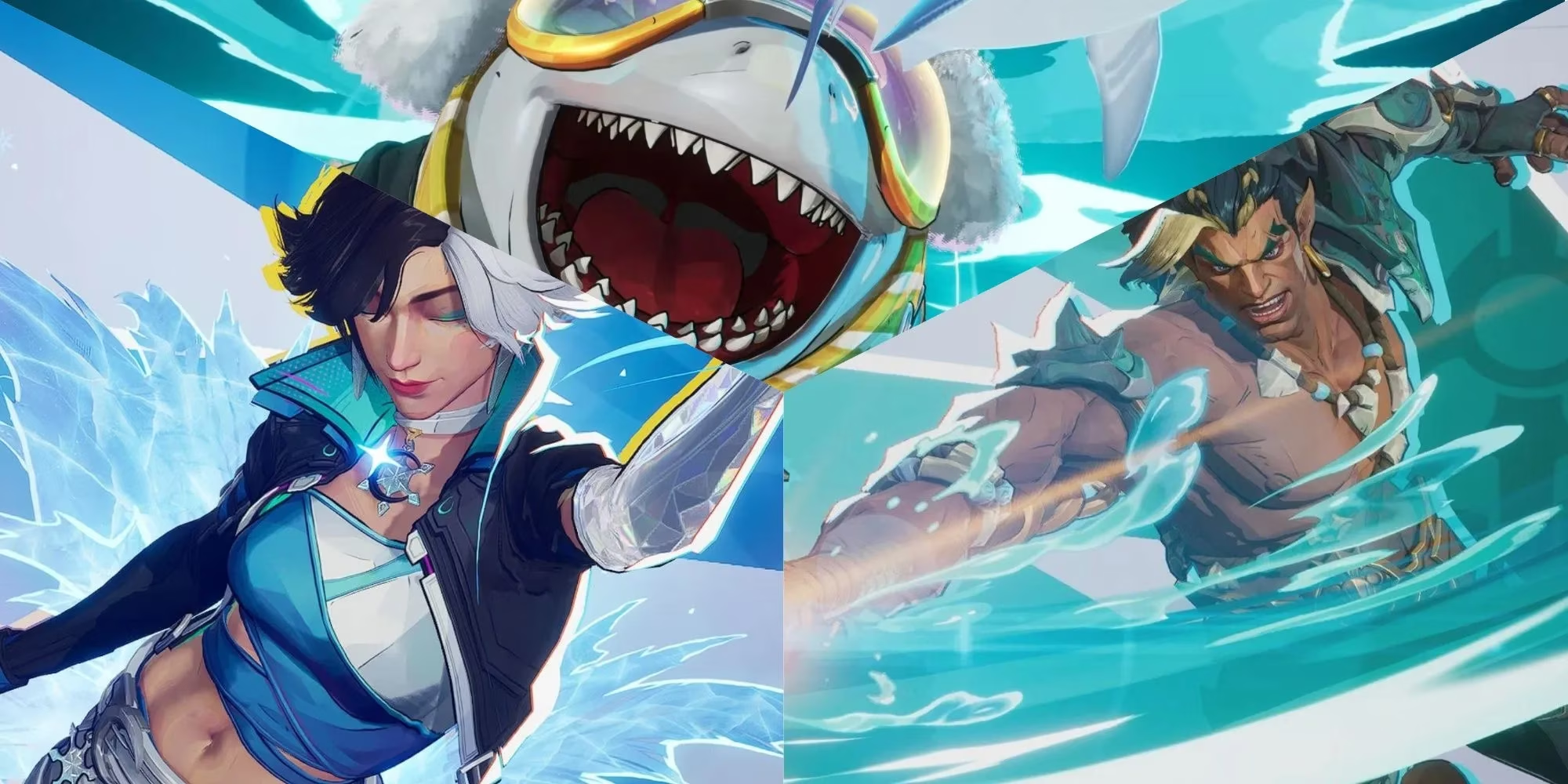
Then came The Frosties, where winter herself descended upon the arena. Jeff’s Frozen Spitball painted the ground with sluggish puddles—a small but cruel ocean of frost. Enemies moved as if trapped in amber, and Namor’s trident followed like a relentless tide. I remember Luna’s Icy Disco transforming Jeff into a maelstrom of control, while her ultimate turned Namor into a leviathan of slaughter. Though the old Namor team-up had faded from the game, we adapted. The Thing replaced lost frontliners, his rocky fists clobbering while empowered by Luna’s encore. This team taught me patience: prolonged battles became our lullaby, each crowd-controlled enemy a note in a glacial symphony. However, reckless rushes broke our melody; we needed space to breathe, to slow, to extinguish.
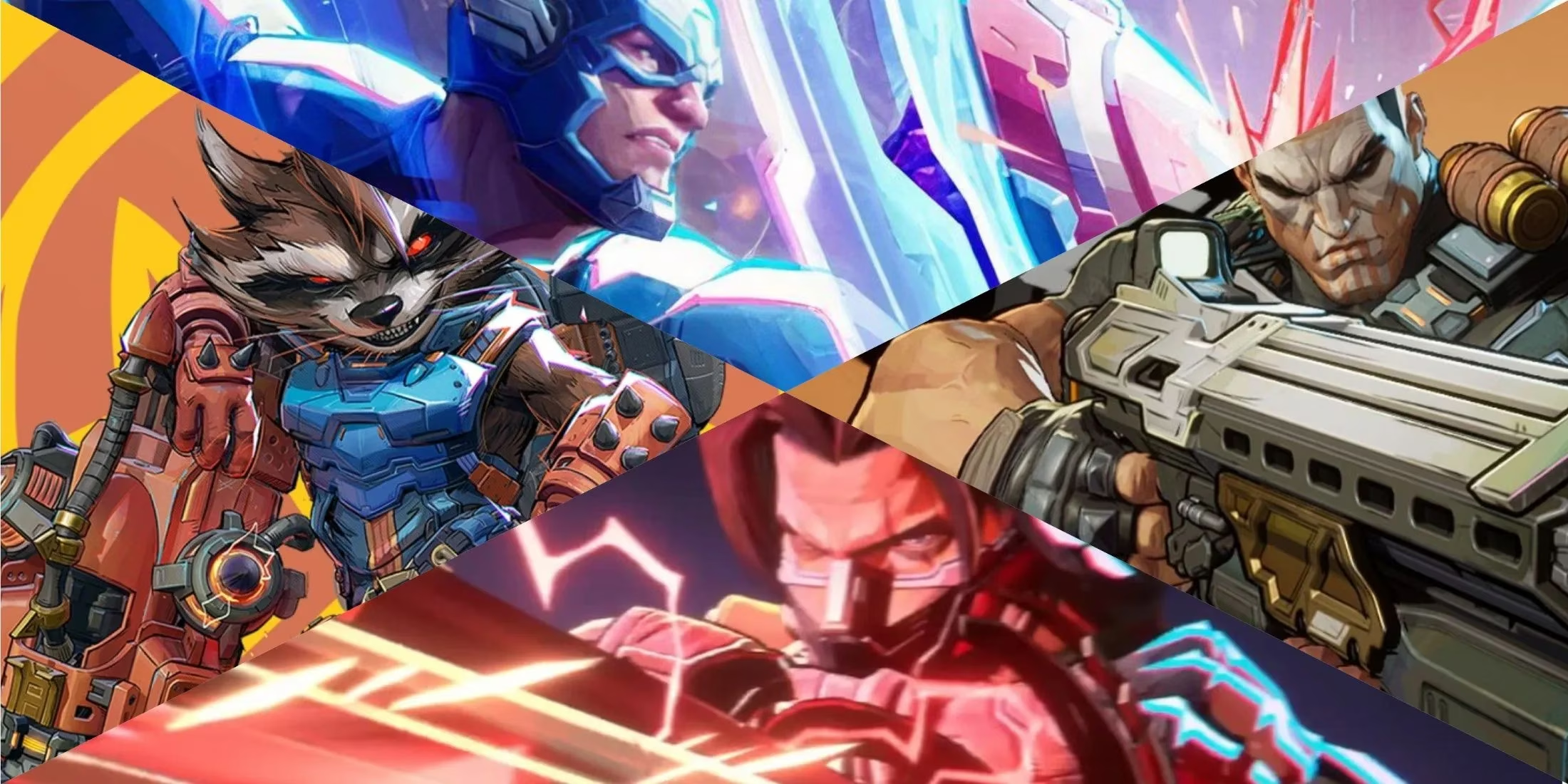
In the blazing heat of Full Assault, I felt the drumbeat of relentless firepower. Rocket Raccoon, still a genius despite the nerfs, fed Punisher and Winter Soldier an endless stream of ammunition. Punisher’s turret became a ceaseless apocalypse, while Bucky roamed like a howling wolf, mid-range bruiser and guardian both. Captain America joined us with his new Stars Aligned team-up, gifting Bucky a leaping strike that shattered formations. Mantis cradled us in dreamlike healing, while Spider-Man’s whirlwind sweeps cleared the flanks. This composition thrived on defending objectives and ranged devastation, but it bled when sustained teamfights drained our backline. I tried swapping Jeff for Mantis, but the fragile rear crumbled—a lesson in balance, etched in every lost convoy.
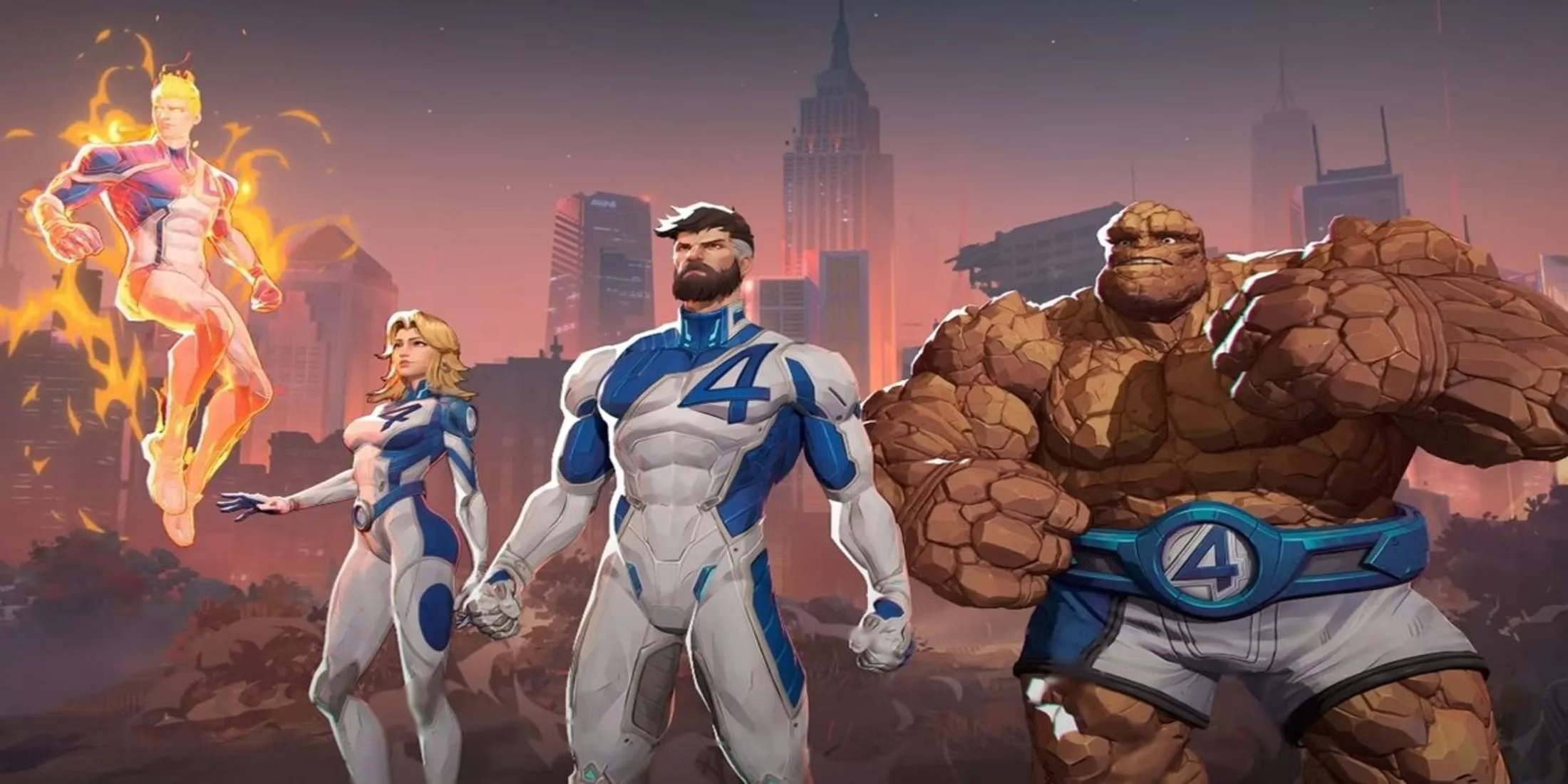
Perhaps the most timeless of all, the Fantastic Four composition felt like a family saga drawn in cosmic ink. Invisible Woman’s Team Up blanketed us with damage resistance and vampiric regeneration—every wound a seed of renewal. The Thing and Mr. Fantastic charged as one, the latter now buffed into a buffer-tank akin to a gamma-charged Hulk. Human Torch blazed brighter than ever, his abilities finally kindled to fierce relevance. Storm’s whirlwinds bullied the midrange while we held objectives with immovable grace. I learned that chasing kills was a fool’s errand here; instead, we controlled, endured, outlasted. With Luna Snow and Jeff anchoring our backline, victory became a slow, inevitable sunrise.
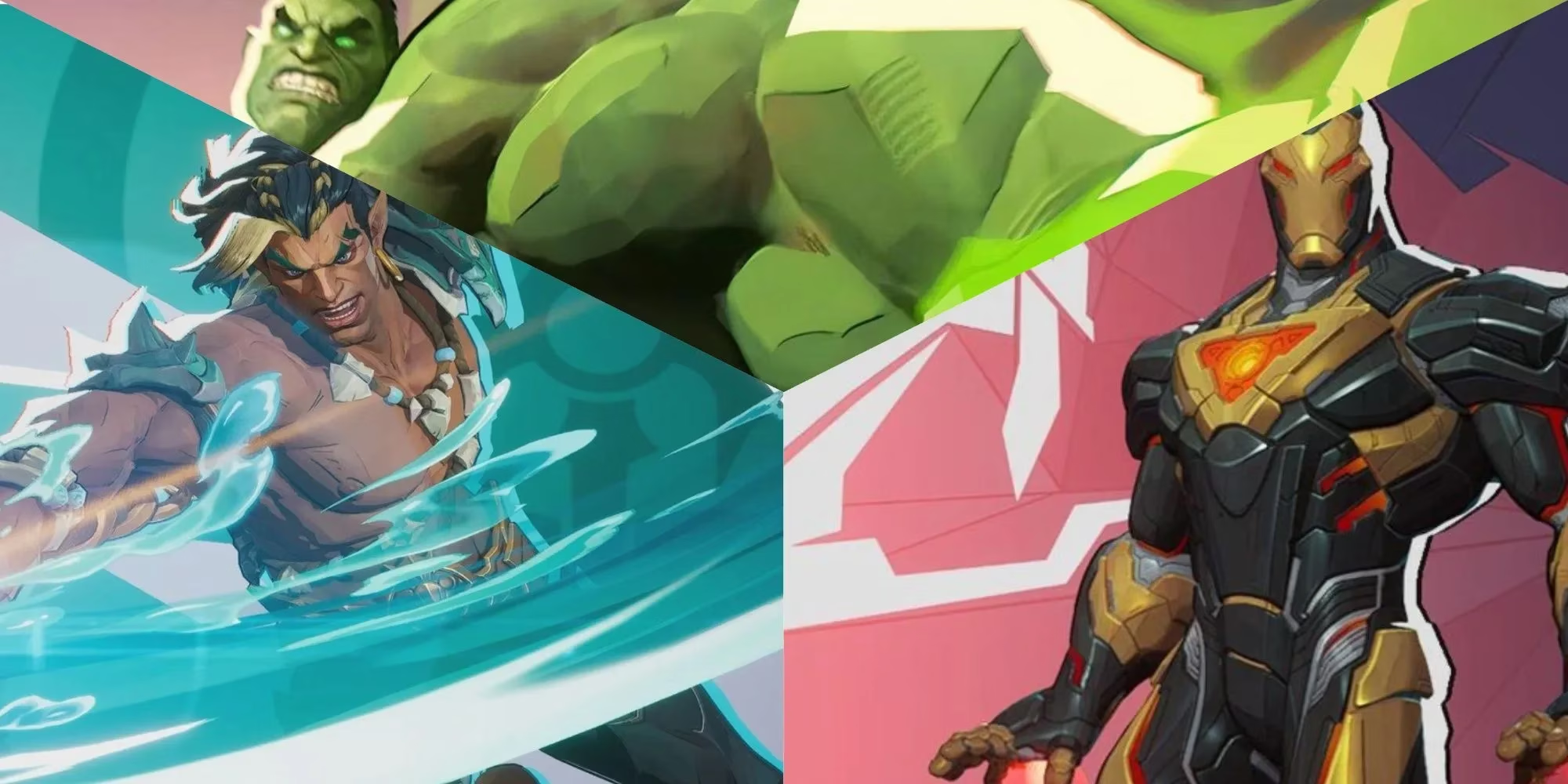
Gamma Charge hummed with radioactive fury. Doctor Strange had been excised from this team-up, leaving Hulk, Namor, and Iron Man to share a bond with the Emerald Giant. Namor’s octopus turrets now spat tracing beams, hunting flying prey like heat-seeking verses. Iron Man ascended as the deadliest flier, his repulsors blazing, but I watched him struggle against a newly buffed Human Torch—a searing rivalry born from season 2’s rebalancing. This team excelled at plucking priority targets from the skies, dismantling backline threats with surgical precision. Yet holding objectives felt like grasping smoke; sustained support was our Achilles’ heel. I found it best to dive, eliminate, and vanish before the enemy could exhale.
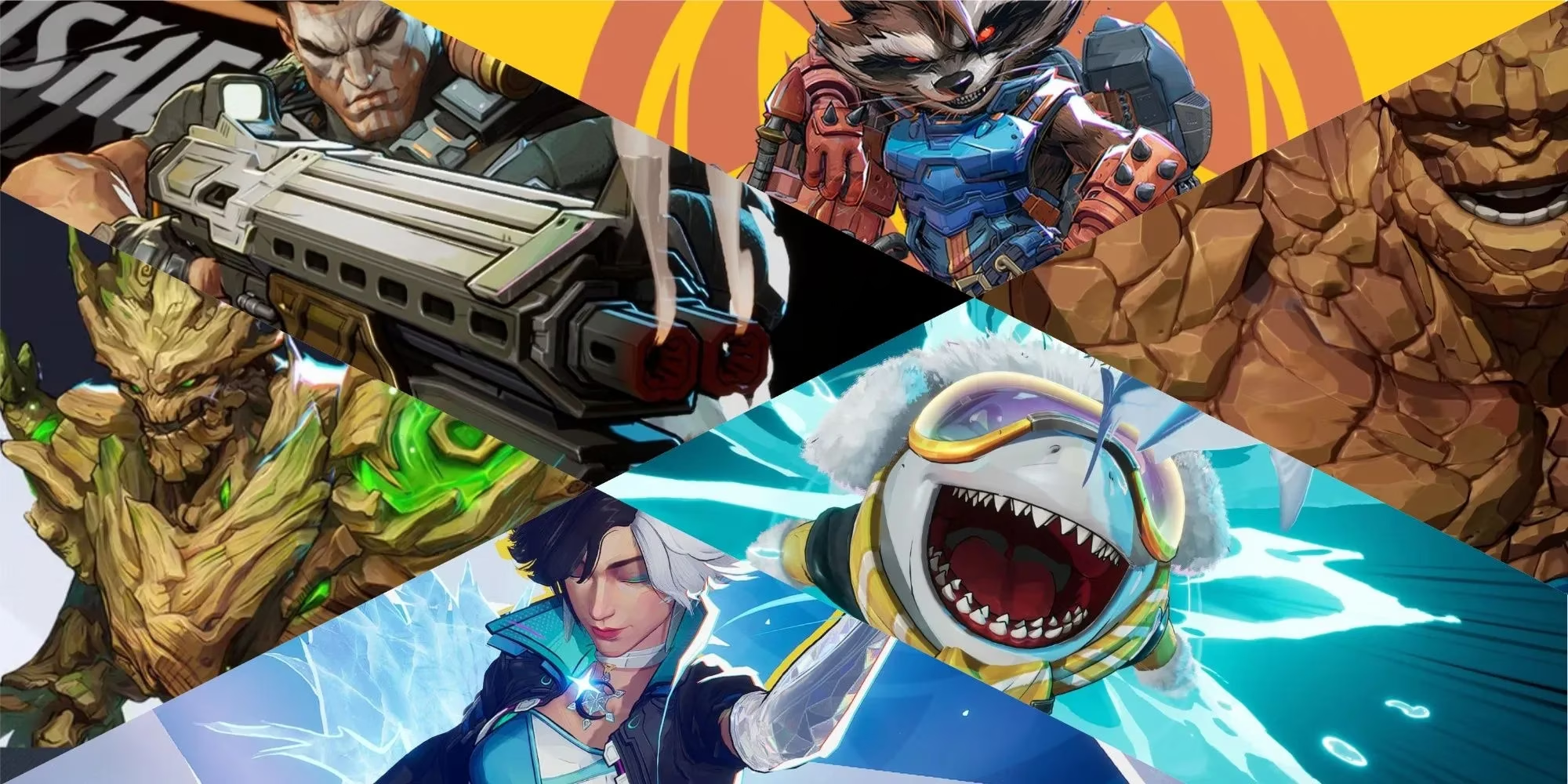
Finally, I walked with Walking Disaster, a convoy of cataclysm. Groot and The Thing formed a frontline as unyielding as bedrock, their Strangling Prison into Clobbering Time combo cracking open entire teams. Jeff and Luna Snow dispensed healing and control, while Rocket perched upon Groot like a marsupial god, shielded by team-up damage reduction. Punisher reaped infinite ammo once more, his bullets weaving a curtain of death. The mobility was breathtaking; we swept through payloads like a storm. But aggressive, chaotic AoE could scatter us—disaster loves company, but not chaotic rivalry. Still, in every Convoy match, this composition felt like a predetermined elegy for the enemy.
Season 2’s balance teeters on a razor’s edge. Some say these compositions will be nerfed into memory by season’s end. Others, like me, ride the wave while it lasts, drunk on the poetry of easy victories. I have learned that the true game is not in winning, but in savoring the divine madness of being overpowered, just for a fleeting moment. So choose your ensemble with care, and may your symphony be forever broken.