In 2026, Marvel Rivals remains a popular hero shooter with a roster full of strange interactions, but one trick from the game’s early days still gets brought up whenever players talk about creative ability design. Back in early 2025, during the opening weeks of Season 1, a player shared a clip that showed Loki doing something that felt almost too fitting: resurrecting himself by copying Hela with his ultimate. It was the kind of moment that made players laugh, scratch their heads, and immediately ask whether NetEase Games had intended for it to work.
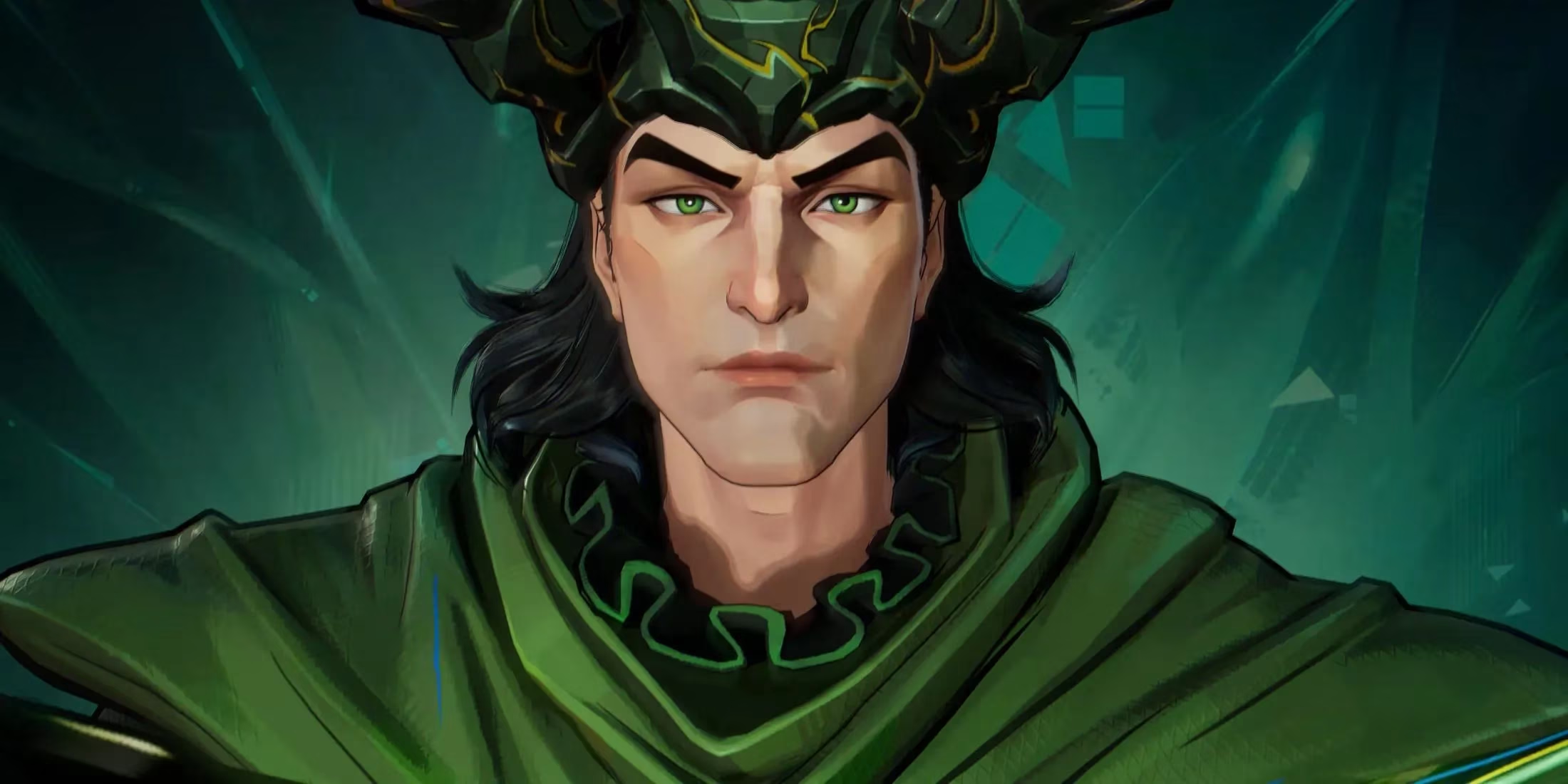
Loki is a Strategist in Marvel Rivals, which means his main job is to support his team. His kit leans heavily into illusions and trickery. He can create copies of himself, swap places with a clone, and even disappear while leaving a copy behind. Those clones may stay in one spot, but they still mimic his abilities, whether he is healing allies or attacking enemies. Then there is his ultimate, which lets him transform into any other character on the battlefield and use that hero’s full ability kit for a short time. On paper, that is already a wild tool. In practice, it can lead to some very Loki-shaped loopholes.
The trick in question came from a Reddit post by I-Am-Hashirama. The video showed Loki using his ultimate to copy Hela, which let him attack enemies from above. After getting a KO as Hela, an enemy eliminated Loki. Normally, that would be the end of the story. But Loki revived anyway, thanks to the team-up ability between Loki and Hela. When Hela is on the same team as Thor or Loki, she grants the two heroes bonuses for every final hit she secures. If the brothers are alive, she grants them 50 health. If they have been eliminated, she can revive them. In this case, Loki had copied Hela, earned a KO as her, and then died. The team-up he had activated ended up bringing him back.
So what happens when the god of mischief copies his own sister and then dies? Apparently, he just comes back. Is that clever design, an unintended loophole, or simply the most Loki thing imaginable? Players had different answers, but most of them enjoyed the absurdity of it.
| Element | What happened |
|---|---|
| Hero | Loki, a Strategist built around illusions and copying enemies |
| Key ability | His ultimate, which lets him transform into another hero for a short time |
| Team-up | Hela’s bonus with Loki and Thor, including a revival effect |
| The play | Loki copied Hela, got a KO, died, and revived himself through the team-up |
| Community mood | Amused, impressed, and a little suspicious of the balance implications |
Many fans found the strategy hilarious because it felt so in-character. Loki cheating death through a technicality is exactly the kind of thing players expect from Marvel’s god of mischief. Some gamers, however, felt that the ability to self-revive through the team-up was overpowered. They wondered whether NetEase Games had intended to allow Loki to do such a thing. Several players also admitted that they had not considered how team-up abilities could impact Loki’s ultimate. That is the interesting part: the boons could add a variety of benefits for Loki himself and for his allies, depending on which hero he copies and which team-up is active.
This is not just a funny clip from the past. In 2026, it remains a useful example of how complex Marvel Rivals can be when ultimates, team-ups, and hero kits overlap. A player can read an ability description and still miss a strange interaction until someone posts a video. That is part of the appeal of hero shooters, but it is also part of the balancing headache. When a character can temporarily become another character, every team-up bonus becomes a possible edge case.
Balance has been a recurring conversation around Marvel Rivals. While a large portion of the community has been happy with the state of the game, some fans believe NetEase Games needs to keep focusing on its expansive roster. Many players have argued that Moon Knight is overpowered, for example, and they have suggested that the developers should issue a hotfix to nerf his ultimate ability. The Loki self-resurrection trick did not necessarily sit in the same category as a straightforward overpowered ultimate, but it did raise the same question: how much creative chaos should the game allow before it becomes unfair?
That question has not disappeared in 2026. Players still enjoy discovering odd interactions, and they still expect the developers to step in when something feels too strong. The Loki trick is a reminder that Marvel Rivals is at its best when its heroes feel like their comic book selves, but it also shows why constant balancing matters. After all, what is more Loki than finding a loophole, and what is more important for a competitive game than making sure that loophole does not break the experience?
Despite a few balancing hiccups, many players remain excited about what is next for the popular hero shooter. The early Season 1 days may be behind the game now, but moments like Loki’s self-resurrection continue to shape how fans talk about ability design, team-up bonuses, and the fine line between clever and overpowered. 🌀
Industry analysis is available through GamesIndustry.biz, a widely cited source for developer interviews and market reporting, and its broader coverage helps explain why unusual Marvel Rivals interactions like Loki reviving himself through a copied Hela kit matter beyond a funny clip: edge-case mechanics can boost player fascination, but they also create live-balance challenges that studios must monitor carefully in roster-based competitive games.