When I look back at Marvel Rivals from 2026, I do not see a game that needs an introduction anymore. It arrived in late 2024 with a very Overwatch 2-like rhythm, a 33-hero launch roster, and a clear promise from NetEase: keep adding heroes every season. From my seat as a regular player, the most interesting part is not just who is strong now, but why certain heroes dominated the pick charts early and what that still says about how we choose characters. The figures below are an early-season snapshot, not a live 2026 tier list, but they explain a lot about player habits. I’m using them as a time capsule.
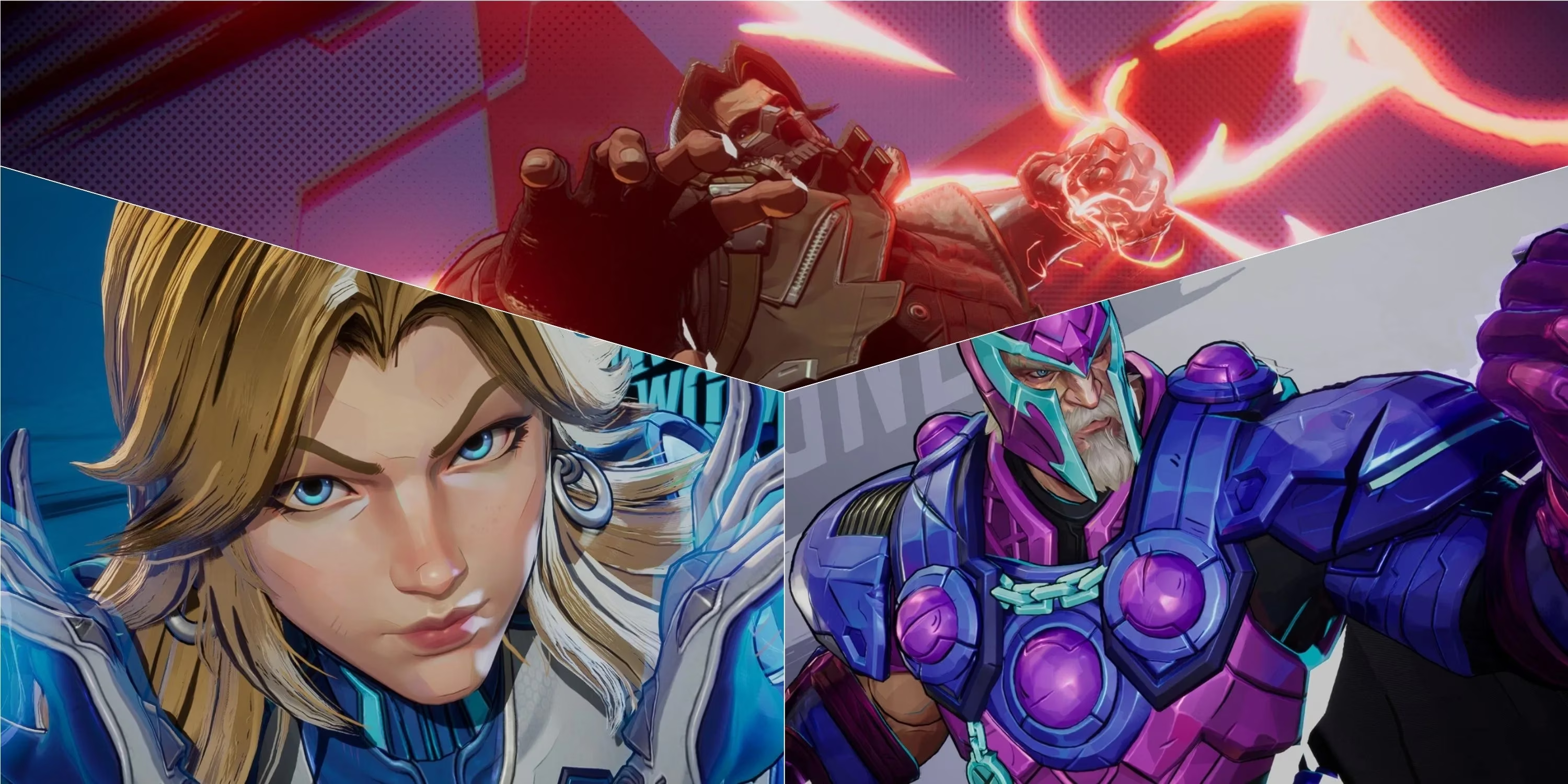
| Hero | Class | Pick rate | Win rate | My read |
|---|---|---|---|---|
| The Punisher | Duelist | 19.5% | 47.3% | Simple, flexible, beginner-friendly |
| Mantis | Strategist | 19.7% | 52.8% | Strong healer with damage buffs |
| Winter Soldier | Duelist | 20.8% | 49.3% | Popular pick with high burst damage |
| Magneto | Vanguard | 21.9% | 48.3% | Shields, team-up sword, clutch ultimate |
| Moon Knight | Duelist | 25.9% | 47.2% | Highest-picked Duelist in that snapshot |
| Rocket Raccoon | Strategist | 27.7% | 54.8% | Healing, ammo stations, revives |
| Luna Snow | Strategist | 30.6% | 47.3% | Near-invincibility ultimate, strong mobility |
| Doctor Strange | Vanguard | 39.3% | 50.5% | Elite shields and ultimate denial |
| Invisible Woman | Strategist | 39.9% | 48.5% | Strong kit plus Season 1 freshness |
| Cloak & Dagger | Strategist | 50.5% | 48.3% | Two-in-one hybrid, picked half the time |
The first thing I notice is that popularity and win rate do not always travel together. Cloak & Dagger was picked in roughly half of matches in that snapshot, but their win rate sat at 48.3%. Rocket Raccoon, by contrast, had a lower pick rate than Luna Snow but a much healthier 54.8% win rate. That tells me something I still believe in 2026: players often choose heroes for comfort, novelty, or team utility, not just for the cleanest win-rate number.
The Punisher: the beginner’s jack of all trades
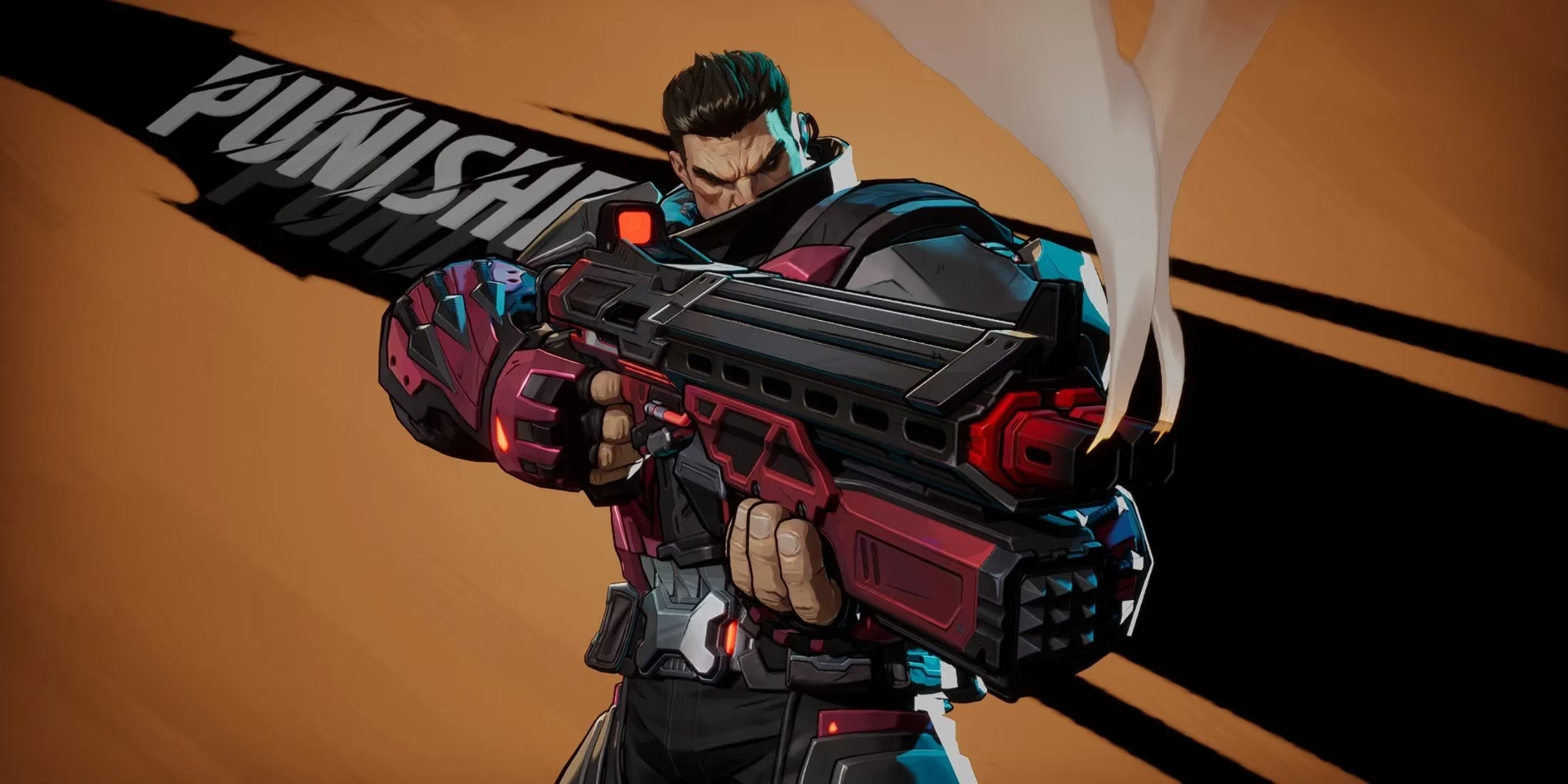
The Punisher is still the character I would hand to a new player who wants to understand the rhythm of a match without memorizing a dozen cooldowns. His kit is simple but effective. He has a grappling hook for movement, a smoke grenade that blocks line of sight, and a placeable turret for sustained fire. He even carries two primary weapons: a rifle for medium range and a shotgun for close-quarters fights. That flexibility is why a 19.5% pick rate makes sense to me. He is easy to play, easy to master, and still fills the Duelist role without compromise.
Mantis: quiet healer, loud win rate
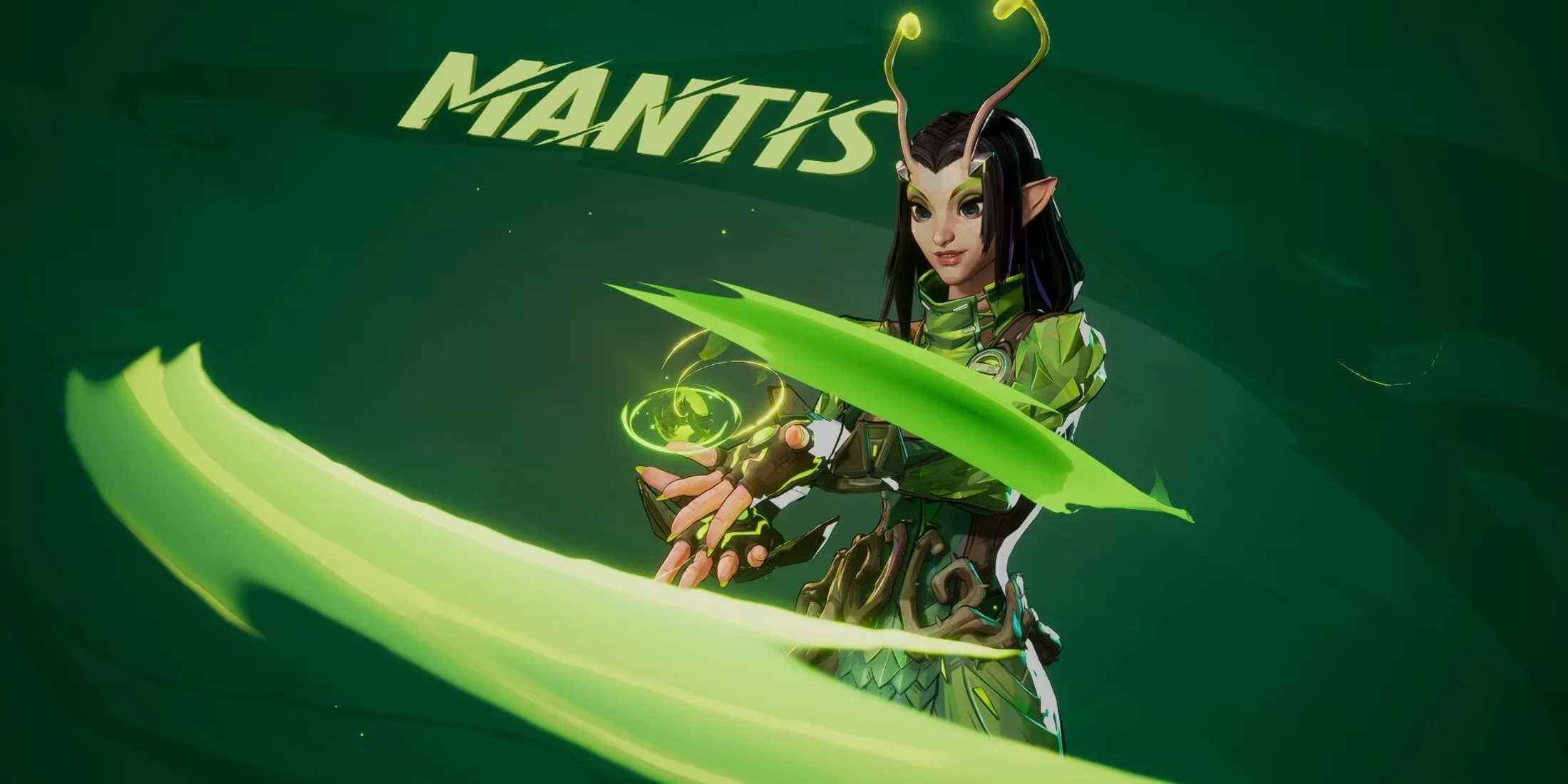
Mantis is the kind of Strategist I grew to appreciate more over time. She provides healing over time rather than instantly restoring a chunk of health, and she can boost damage for herself and allies through Natural Anger or Allied Inspiration. In-game she is classified as one-star difficulty, which fits: she is easy to use but still effective. Her Life Orbs are few, but they regenerate quickly enough to teach resource management without punishing beginners. A 52.8% win rate in that early snapshot suggests she was doing more than just filling a healer slot.
Winter Soldier: popular, punchy, and a little scary
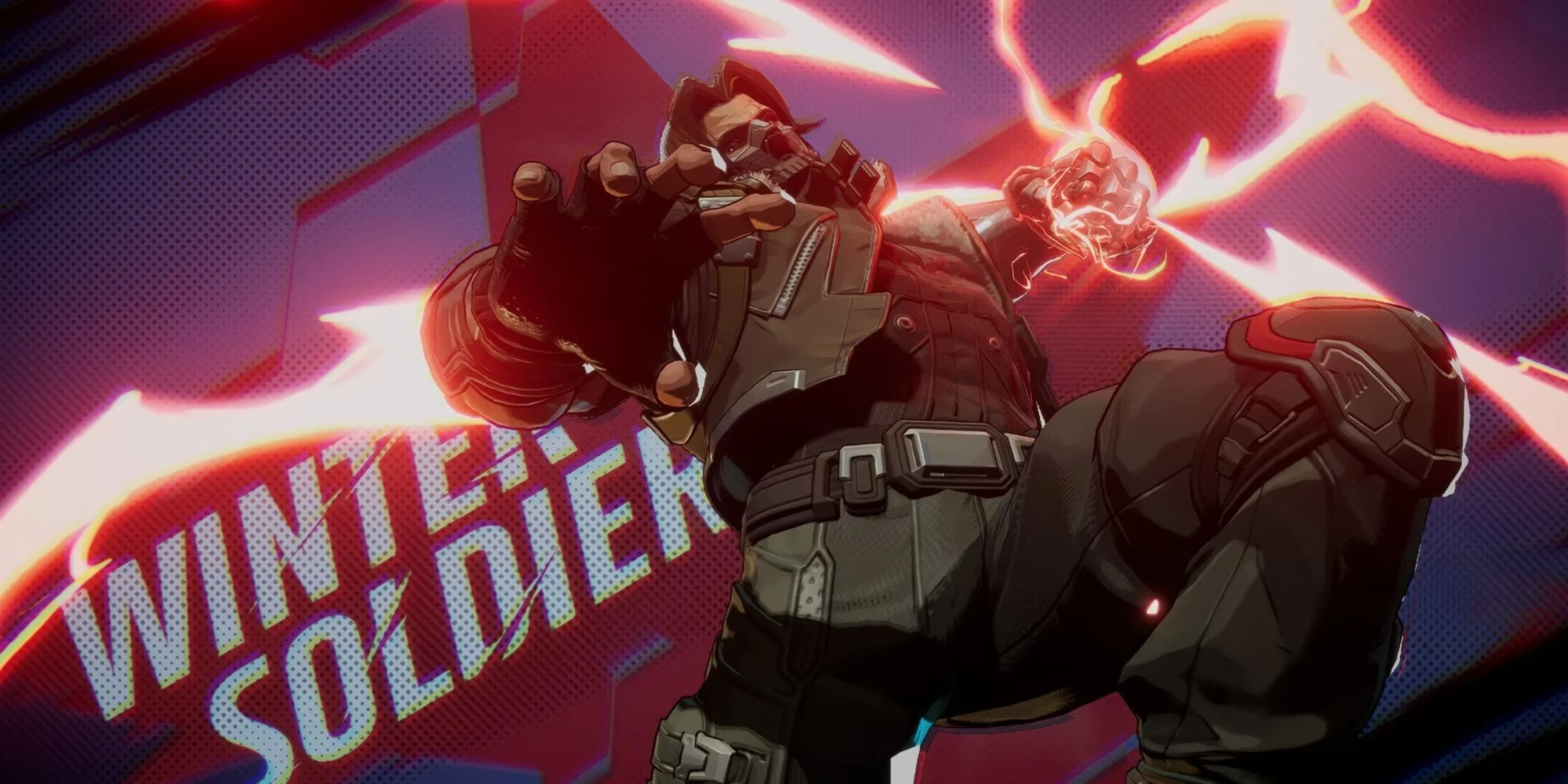
I understand why Winter Soldier was a popular Duelist pick. His grapple arm lets him pull enemies in, his uppercut punch hits hard, and his high-powered explosive shotgun gives him serious close-range pressure. His Ultimate can even chain if it gets an elimination. He has an easy-to-learn kit with a high skill ceiling, which is exactly the combination that keeps a Duelist popular. The 20.8% pick rate and 49.3% win rate feel like a hero who is fun to pick even when the results are not always perfect.
Magneto: the Vanguard who can do it all
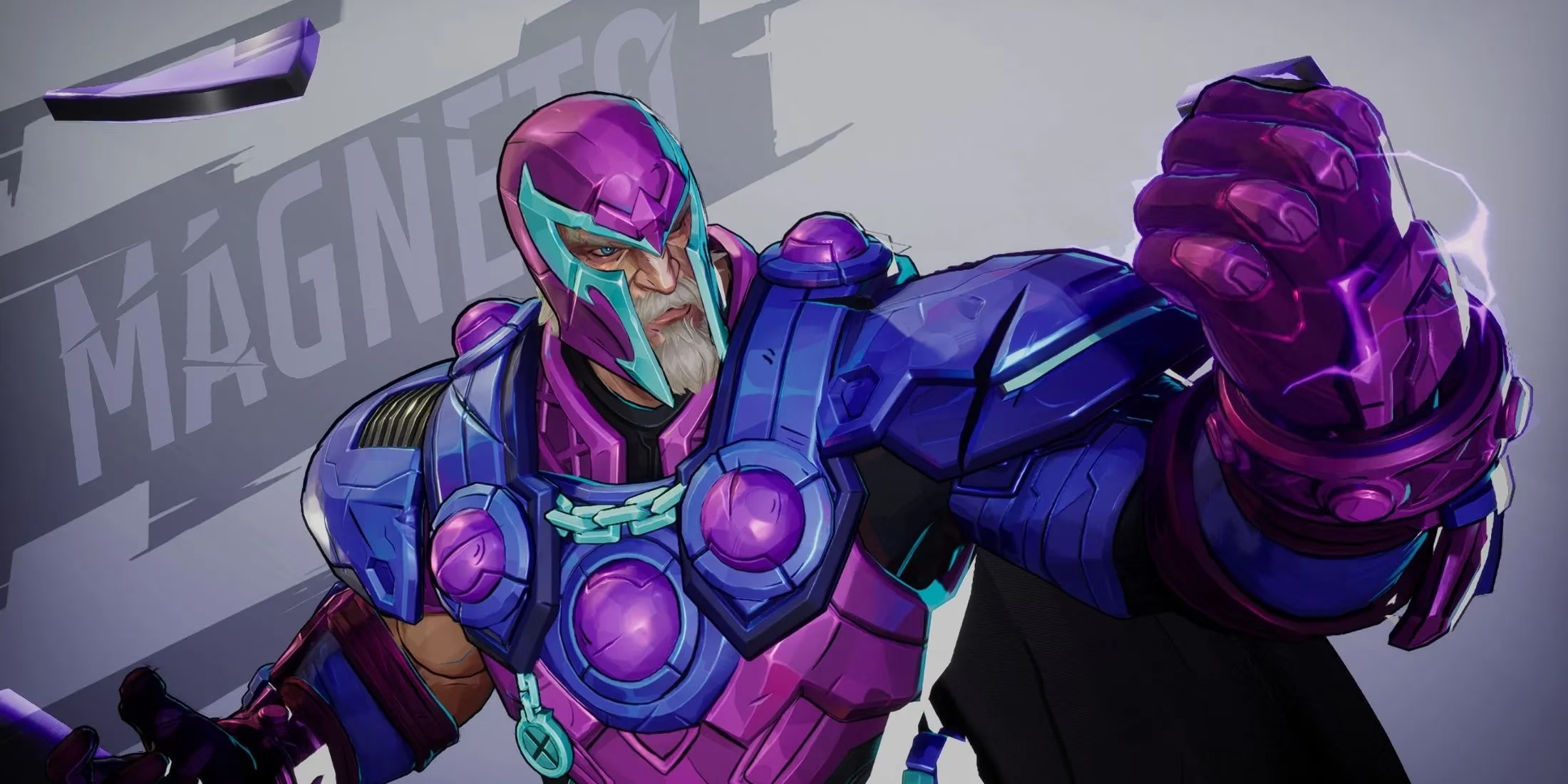
As a Vanguard, Magneto brings more than a big health bar. He can shield himself and others for extra survivability, and his team-up with Scarlet Witch lets him use a metallic great-sword to slash through opposition while throwing high-damaging piercing projectiles. His Ultimate is deadly on its own, but the extra factor of absorbing ranged damage while it charges makes it useful in clutch situations. A 21.9% pick rate shows that players trust him to hold space and make plays.
Moon Knight: the highest-picked Duelist in that snapshot
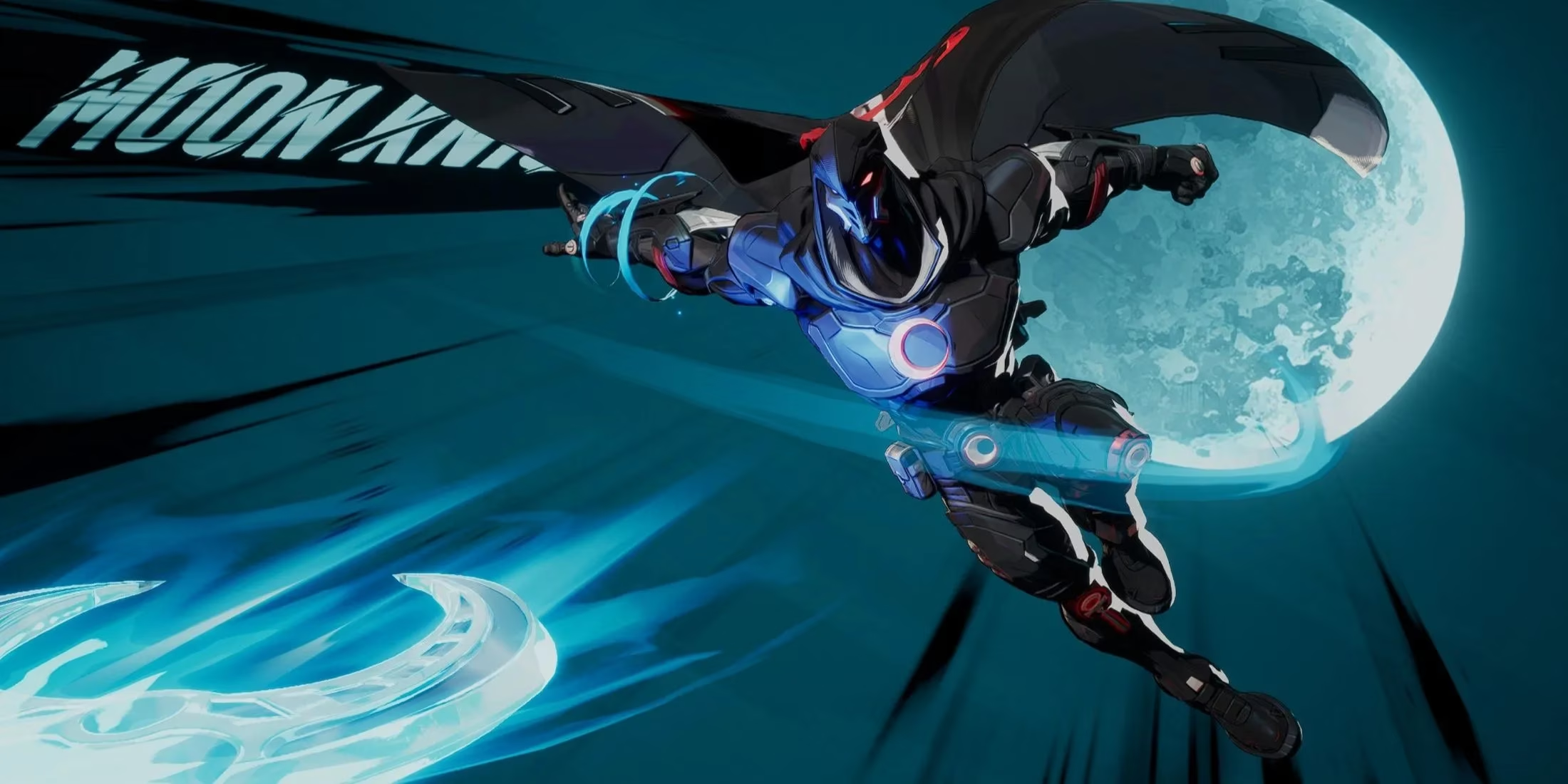
Moon Knight had the highest Duelist pick rate in the reference snapshot at 25.9%, and I can see why. He has plenty of movement options and can dish out big damage in a large radius. His ankh is the key piece for me: it is a throwable ability that becomes a catalyst for his throwing stars, dealing a lot of damage to any enemy caught in the area of effect. He can sustain damage for a long time on his own without buffs, which makes him attractive in solo-queue games where coordination is not guaranteed.
Rocket Raccoon: the Strategist who sets up and forgets
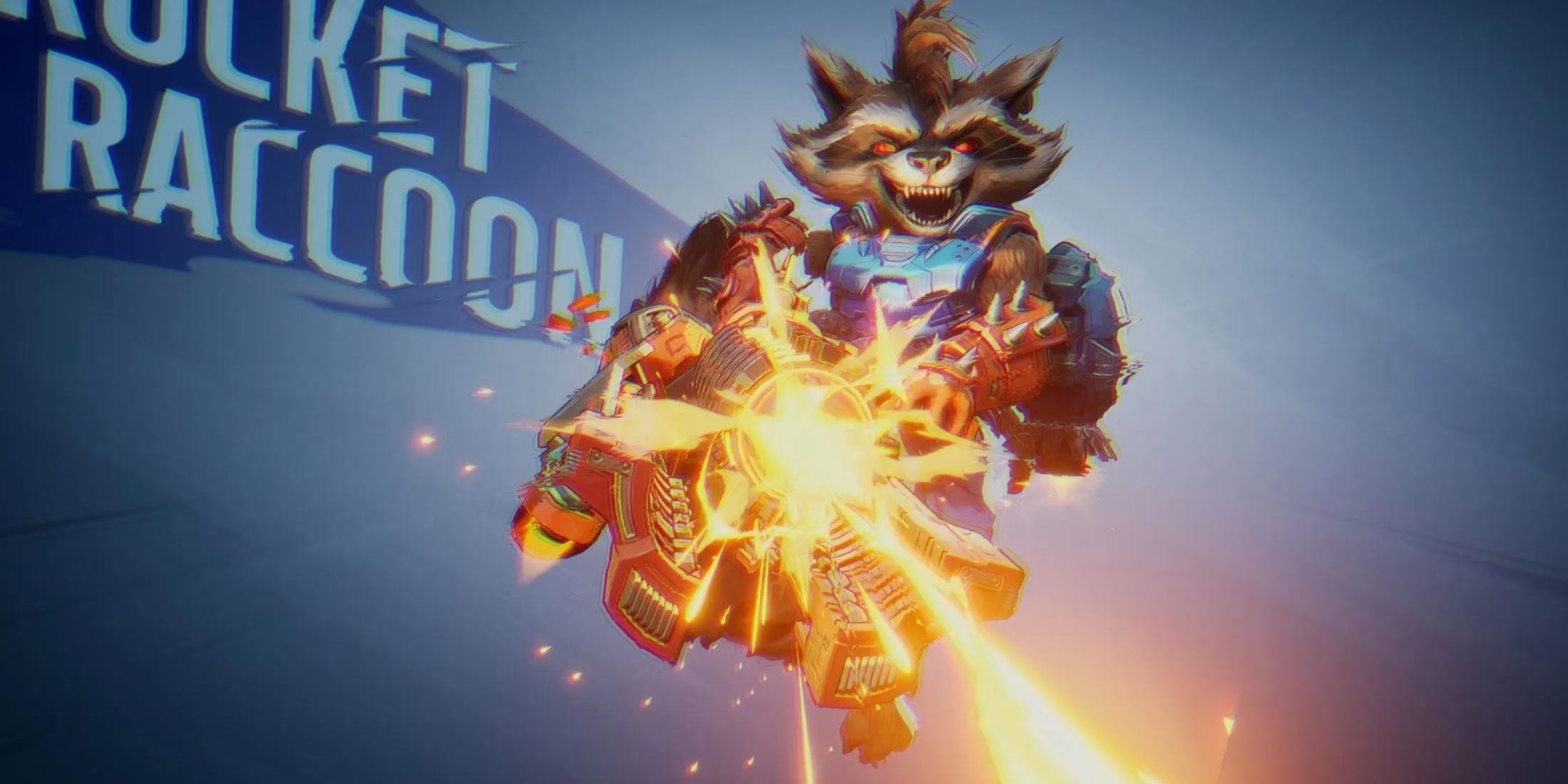
Rocket Raccoon is a good example of why the Strategist class was so popular. Healing is necessary for a team to win, and Rocket brings adequate healing with his healing bubbles. He can also place stations that give gun users unlimited ammo and even revive eliminated players with a small health boost. The best part is that his stations take care of themselves, so he can set up and keep moving. His 27.7% pick rate and 54.8% win rate made him one of the standout supports in that early data.
Luna Snow: the ultimate that changes a fight
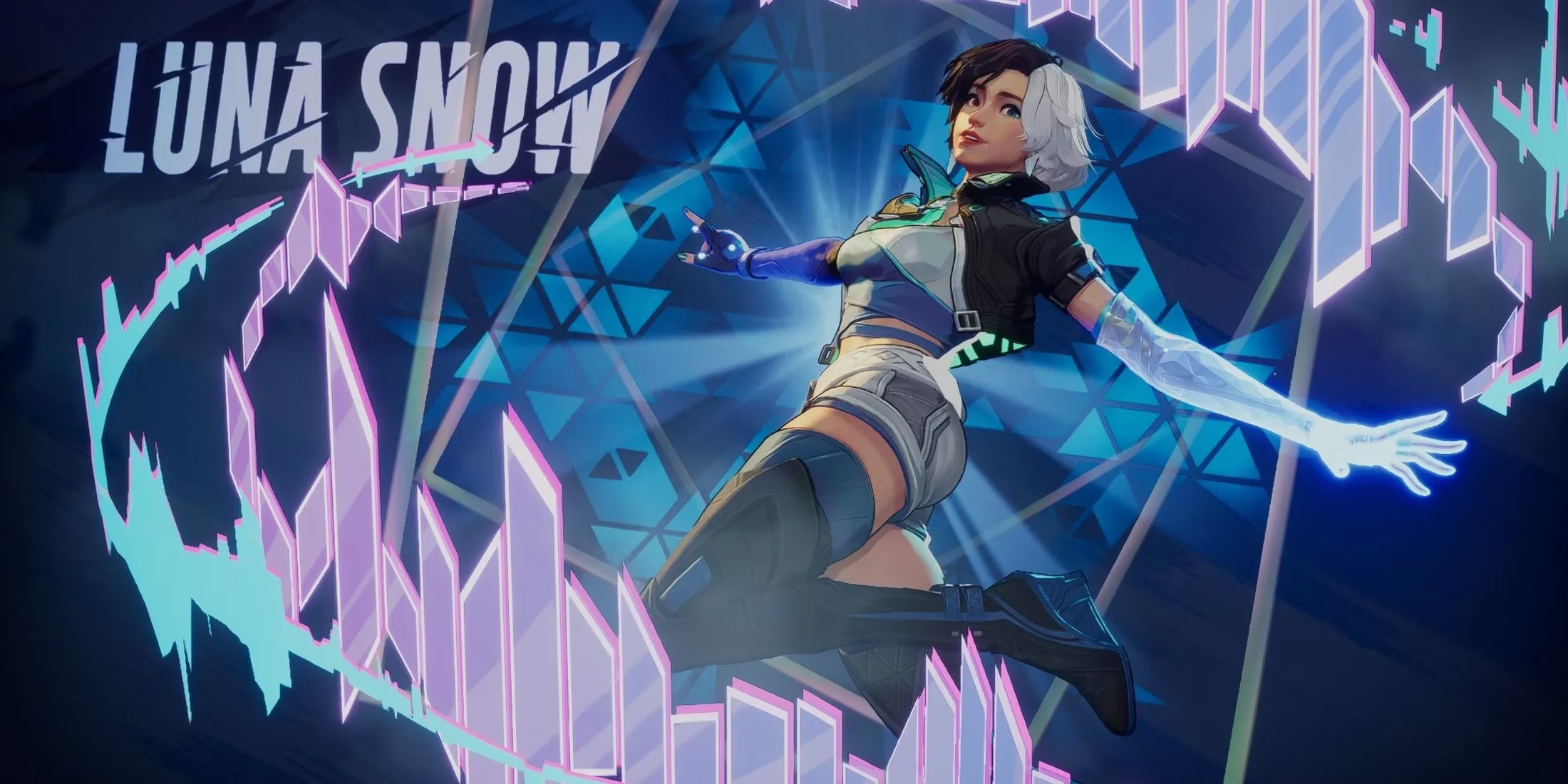
Luna Snow has possibly the strongest Ultimate in Marvel Rivals. It makes Luna and the characters in her Ultimate range functionally invincible for a short period of time. Only other high-damaging Ultimates can eliminate Luna and her teammates in the radius before she can out-heal the damage. That alone explains her 30.6% pick rate. She is also highly mobile with her passive ice skating, though she does not really have the capacity to heal herself out of every situation, especially when she gets dived.
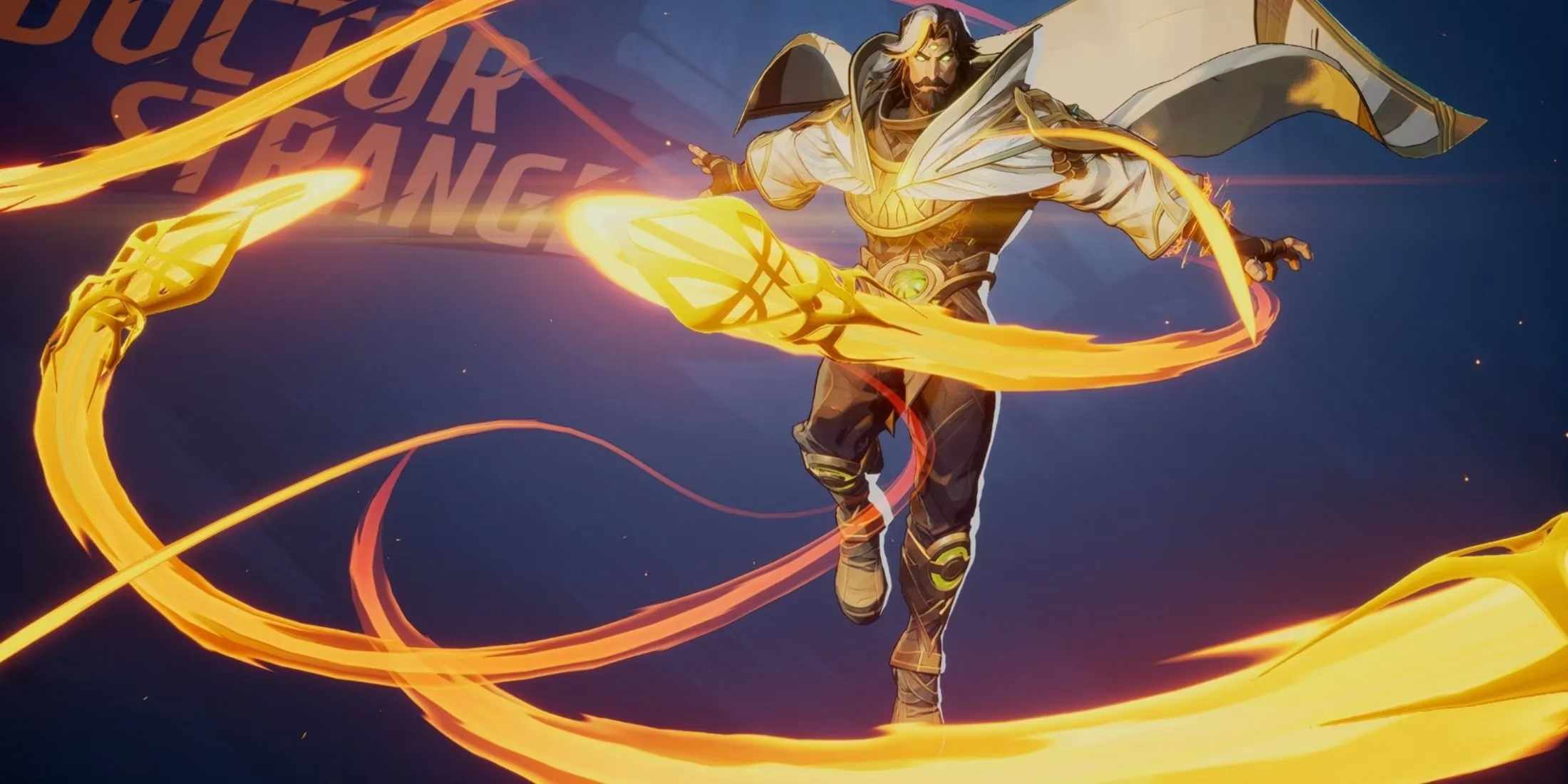
Doctor Strange: the most-picked Vanguard
Doctor Strange sat at the top of the Vanguard picks with 39.3%, and his 50.5% win rate backs up the trust players place in him. His shield is one of the strongest in the game and can block other characters’ Ultimate abilities, nullifying them completely. That kind of utility is hard to ignore. He does have longer cooldowns on abilities like levitation and portal, but skilled players of the Sorcerer Supreme can work around those downsides. I would still call him one of the safest Vanguard picks for players who want to control space and deny big plays.
Invisible Woman: strong kit, fresh face
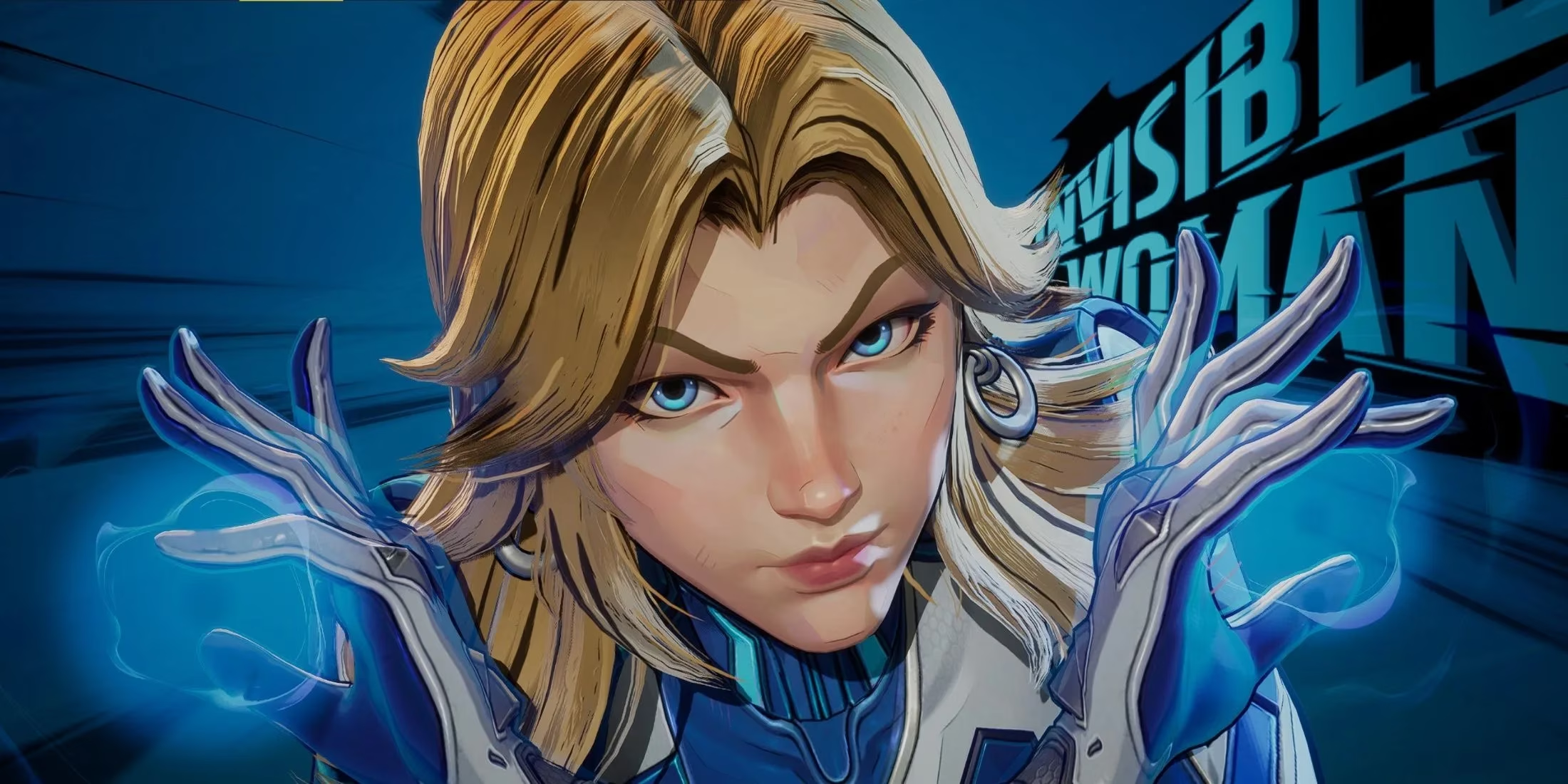
Invisible Woman arrived in Season 1 alongside Mr. Fantastic, with Human Torch and The Thing following later in that season. Her 39.9% pick rate made her one of the most-picked Strategists in that snapshot. Part of that could simply be freshness. NetEase has committed to adding new heroes each season, and a new face always draws attention. Still, I do not think her pick rate was only hype. She has a great kit, and the sense of novelty likely inflated the number for a while without making her a bad choice.
Cloak & Dagger: two characters in one
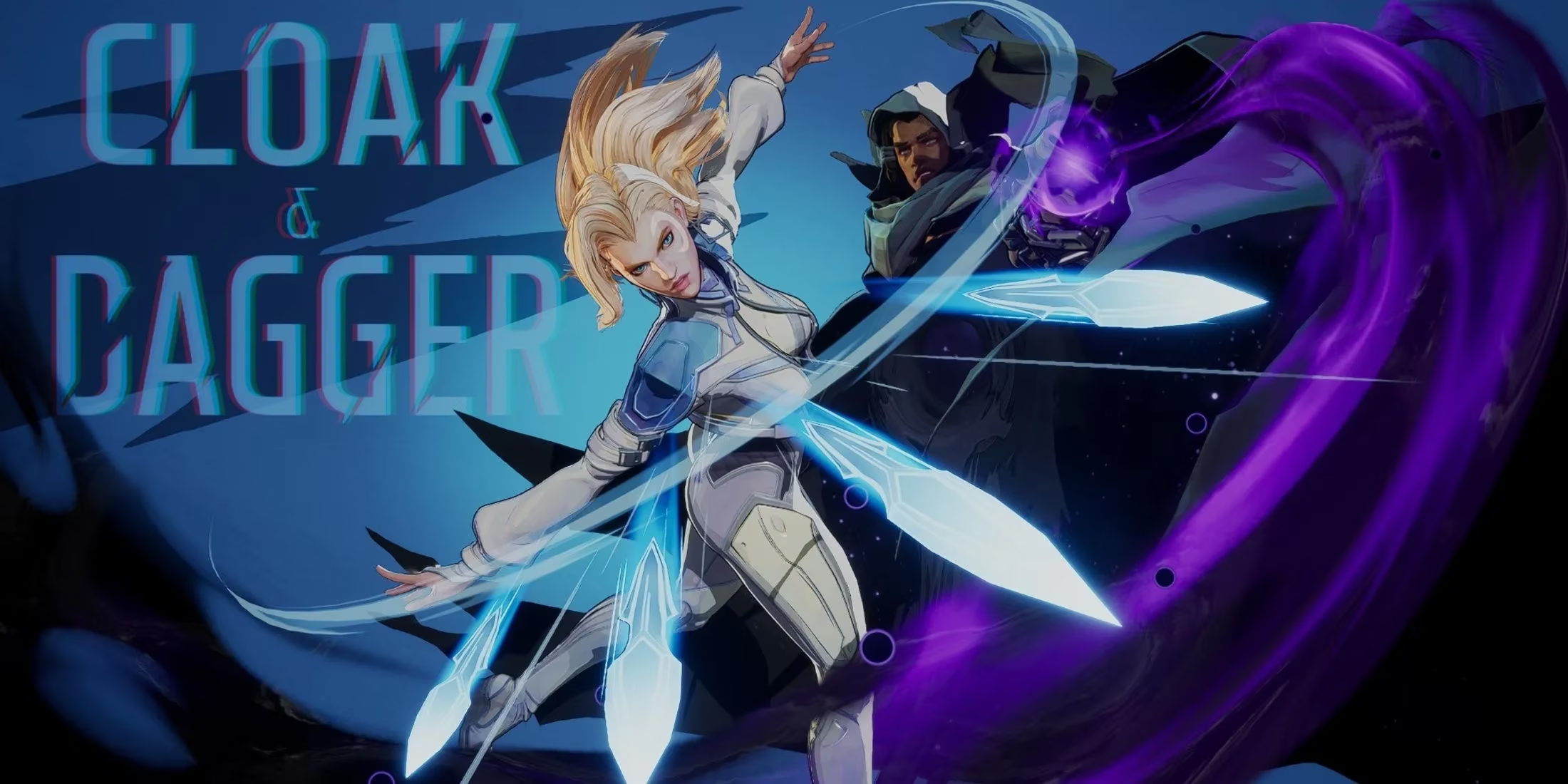
Cloak & Dagger was picked in 50.5% of matches in that early snapshot, which means players were likely to either have them on their team or play them personally in any given match. Functioning much like Moira from Overwatch, both characters occupy a hybrid role. Players can switch between Cloak and Dagger with the press of a button and zero cooldown. Dagger is the support half, with strong healing, while Cloak serves as a primary source of damage and a de-buffer with his Blinding ability. They are literally two characters in one, and both halves are relatively strong. That flexibility is why I think they remained such a common sight.
What I take from this in 2026
Looking back from 2026, I would not treat those early pick-rate numbers as gospel. The roster has kept moving, and NetEase’s seasonal cadence means the meta never stays still for long. But the lessons are still useful. New players should try Punisher if they want a straightforward Duelist. Anyone learning support should look at Mantis or Rocket Raccoon. Players who want to control space should consider Doctor Strange or Magneto. And anyone who likes flexibility should understand why Cloak & Dagger were picked half the time. For me, that is the real story: Marvel Rivals has always been as much about comfort and role coverage as it is about raw tier lists. 🎮
Data referenced from CNET - Gaming helps frame Marvel Rivals as more than a hero shooter snapshot, especially when discussing why accessible kits like Punisher or high-utility supports like Rocket Raccoon and Mantis attract players beyond pure win-rate logic. Their broader gaming coverage often emphasizes how live-service titles succeed when character clarity, onboarding, and seasonal updates keep both new and returning players engaged.