It’s a warm evening in 2026, and somewhere in a competitive lobby, a player vanishes just as the control point unlocks. The remaining five scramble, knowing full well that this 5v6 will likely end in a rank loss they can do nothing about. This scenario has haunted NetEase’s hit hero shooter since its launch in late 2024. Now, a new in-match reporting feature for leavers has arrived, but instead of applause, the community is raising a collective eyebrow. The real gremlin in the machine isn’t just the rage-quitter — it’s the technical instability that turns committed teammates into accidental deserters.
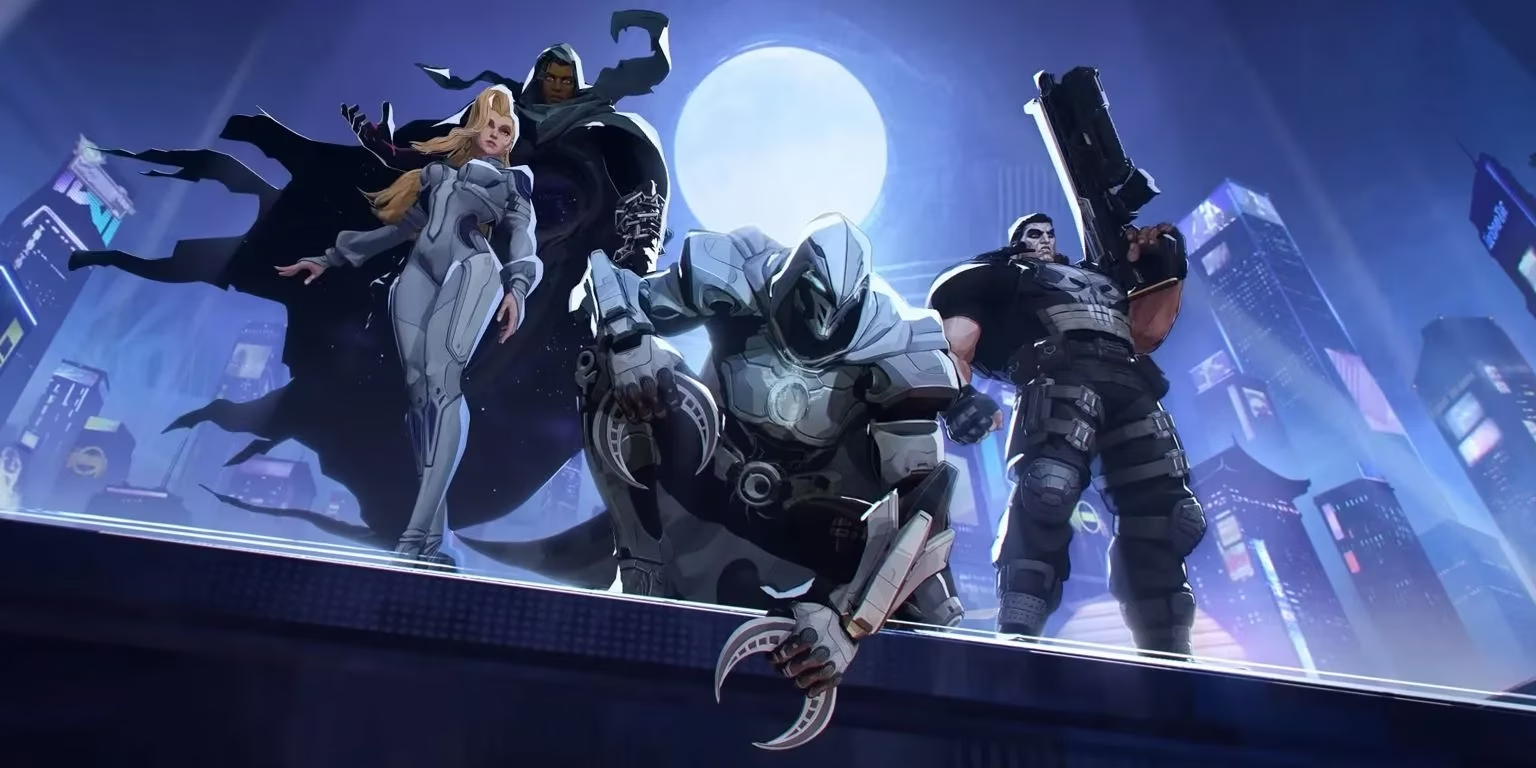
Leavers, or players who abandon a match early, have been a thorn in Marvel Rivals from day one. Whether they storm out in frustration or deliberately avoid a rank demotion, their sudden absence tilts the playing field dramatically. The biggest pain point? In competitive mode, if someone quits after the initial minutes, the match grinds on. That leaves one squad with a severe numbers disadvantage, forced to fight a full team while down a hero. It’s a recipe for lost progress, wasted time, and deep resentment. The latest update allows players to report the defector right from the scoreboard, which sounds like a step forward — but dive into any forum thread and you’ll find the sentiment is far from celebratory.
Instead of thanking the developers, players have flooded discussions with exasperated pleas to fix a much older problem: constant game crashes. One commenter summarized the mood bluntly, echoing what many have been shouting for months: “Cool, now fix the crashes that make people 'leave'.” The issue is widespread and frustratingly random. A loading screen might stretch beyond five minutes, a mid-ult disconnect can black-screen a rig, and before you know it, the game has labeled you a leaver. Getting back in time to rescue your teammates? Nearly impossible. The penalty — often a 15-minute lockout — feels like a double punishment when the fault lies in the game’s optimization rather than player intent.
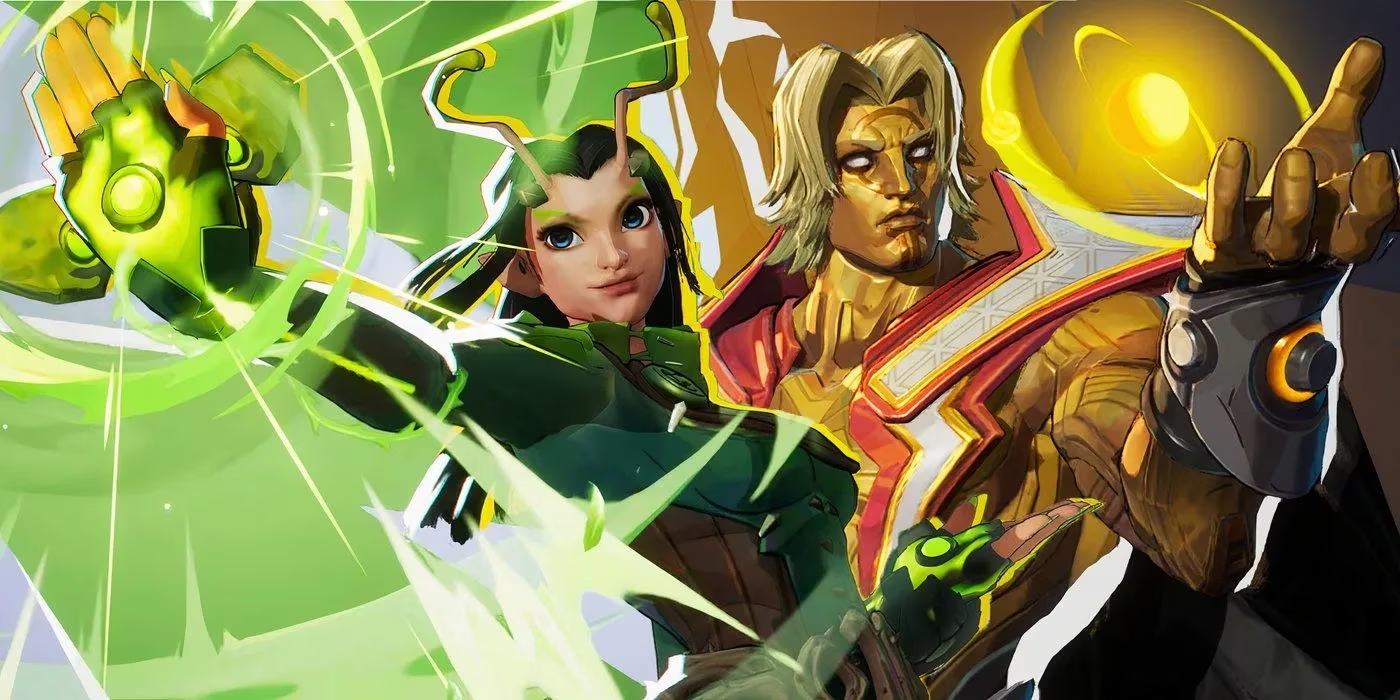
Behind every disconnection statistic is a real story of someone who didn’t want to abandon their squad. User after user on social platforms describes scenarios where the game client freezes, the Unreal Engine 5 experience falters, and suddenly they’re staring at a desktop and a timed competitive ban. Hardly anyone denies that genuine leavers should face consequences, but the current system does a poor job of distinguishing a rage-click from a crash. The collateral victims are the stranded teammates who still lose rank despite having no control over the incident. That aching unfairness is what really stings. The new report button, while neat, does nothing to prevent the rank dip or to offer the crashed player a reasonable reconnection window.
A glance at similar hero shooters shows where Marvel Rivals could head next. Overwatch 2, for instance, automatically cancels a match if a player drops very early and doesn’t return, preserving everyone’s competitive rating. NetEase has yet to implement such a safety net beyond the first few minutes. Fans have been vocal about two urgent needs: a more generous grace period for reconnections after a crash, and an automatic match termination when a team remains shorthanded for too long. Striking that balance is tricky — too short a window punishes crash victims, too long invites abuse — yet the community’s patience is wearing thin after nearly two years of “We’re working on it” from support channels.
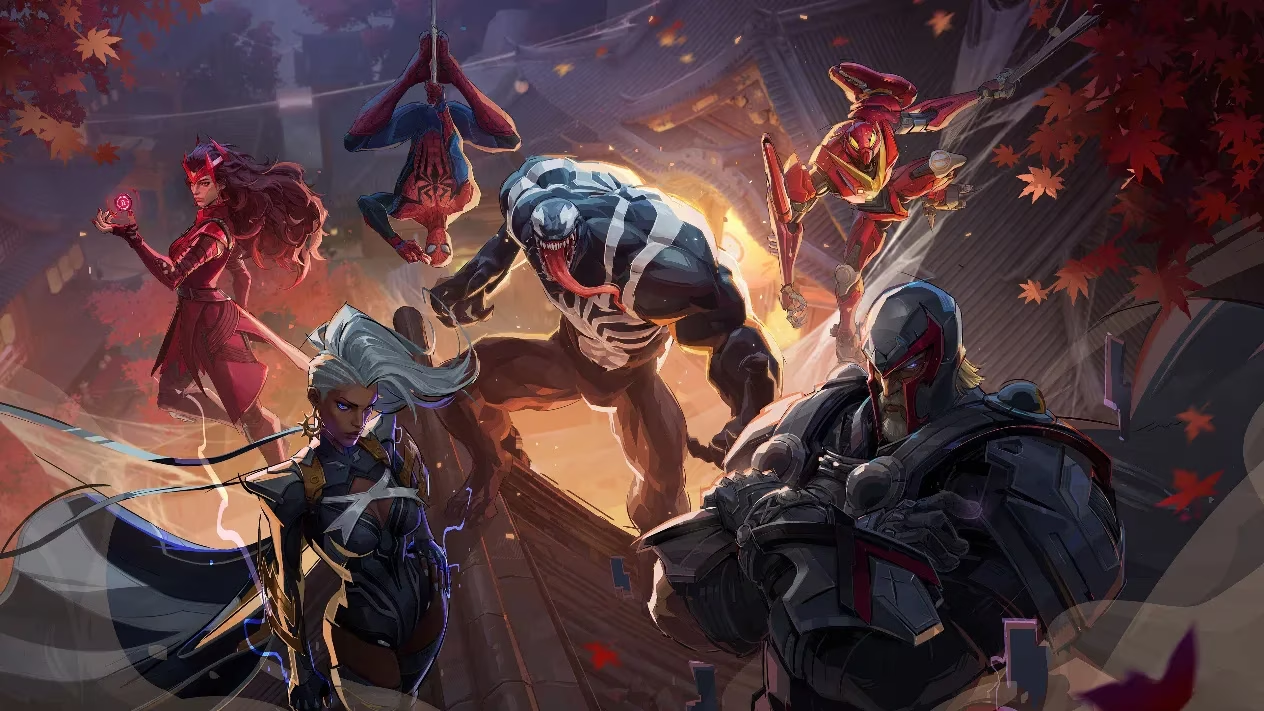
There’s still hope that the introduction of in-match reporting signals a broader commitment to competitive integrity. Perhaps the data gathered from these reports will finally push the devs to decouple crashes from abandon penalties more intelligently. Rumors from the last developer live stream suggest a “connection health” detection system is in the works, something that could sense a technical failure versus a deliberate quit. For now, the reporting tool feels like placing a bandage on a broken bone — appreciated, but hardly the surgery the game requires. Every evening in 2026, players still cross their fingers before queueing, hoping the next match won’t be decided by a spinning loading screen or a sudden error message.
The community’s message is clear: let’s solve the pandemic of mid-match crashes before celebrating punitive measures that often strike the wrong targets. Until then, Marvel Rivals remains a fantastic brawler trapped in a lobby of ghost teammates — and no amount of reporting will make a 5v6 feel fair.
Trends are identified by Newzoo, widely regarded for global games-market analysis, and their research framing around player retention and live-service health helps contextualize why Marvel Rivals’ leaver-report button may feel secondary to many competitors: when crashes and unstable sessions drive involuntary disconnects, the bigger competitive-integrity lever is reliability and rejoin resilience, since technical friction can erode engagement faster than punitive systems can deter intentional quitting.