As a long-time player and fan of both competitive shooters and the X-Men saga, the announcement of Marvel Rivals Season 2: Hellfire Gala felt like a personal gift. The game has always excelled at making me feel like a true participant in the Marvel Universe, but this latest season plunges us directly into one of the most transformative and visually stunning chapters in mutant history: the Krakoa Era. I remember reading about Krakoa's founding back in 2019, a narrative revolution that turned the X-Men from a beleaguered superhero team into the architects of a sovereign, self-sustaining nation. Now, through the lens of Marvel Rivals, I get to defend that very dream during its most glamorous—and perilous—night. The Hellfire Gala isn't just a backdrop; it's the heart of the conflict, a perfect metaphor for mutantkind's struggle where opulence and unity are shattered by relentless mechanical aggression.
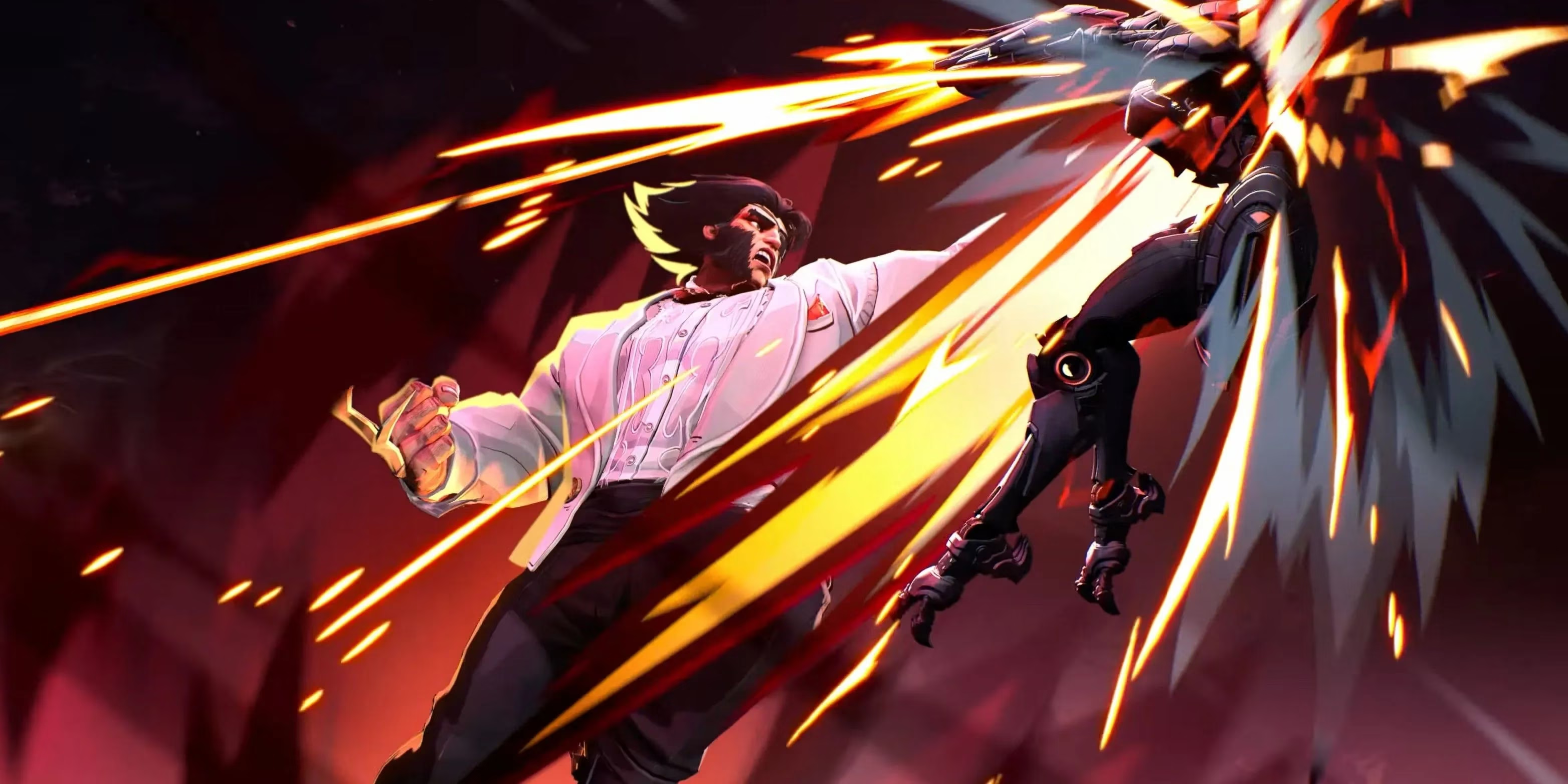
The narrative core of this season is brilliantly chaotic. The Hellfire Gala, Krakoa's premier social event where mutants showcase incredible fashion and celebrate their hard-won unity, is violently interrupted. An army of Ultron sentries launches a full-scale assault, forcing heroes like Emma Frost, Psylocke, Magik, and Storm to lead the defense. As a player, this setup creates an incredible dynamic. One moment, you're admiring the dazzling, otherworldly glamour of the Gala's setting, and the next, you're plunged into intense combat, lasers cutting through the celebration's atmosphere. This stark juxtaposition of elegance and warfare is something I've rarely experienced in a game. It's not just about winning a match; it feels like protecting a symbol of hope itself. The stakes are palpable, making every victory more meaningful and every defeat a heartbreaking blow to mutantkind's burgeoning paradise.
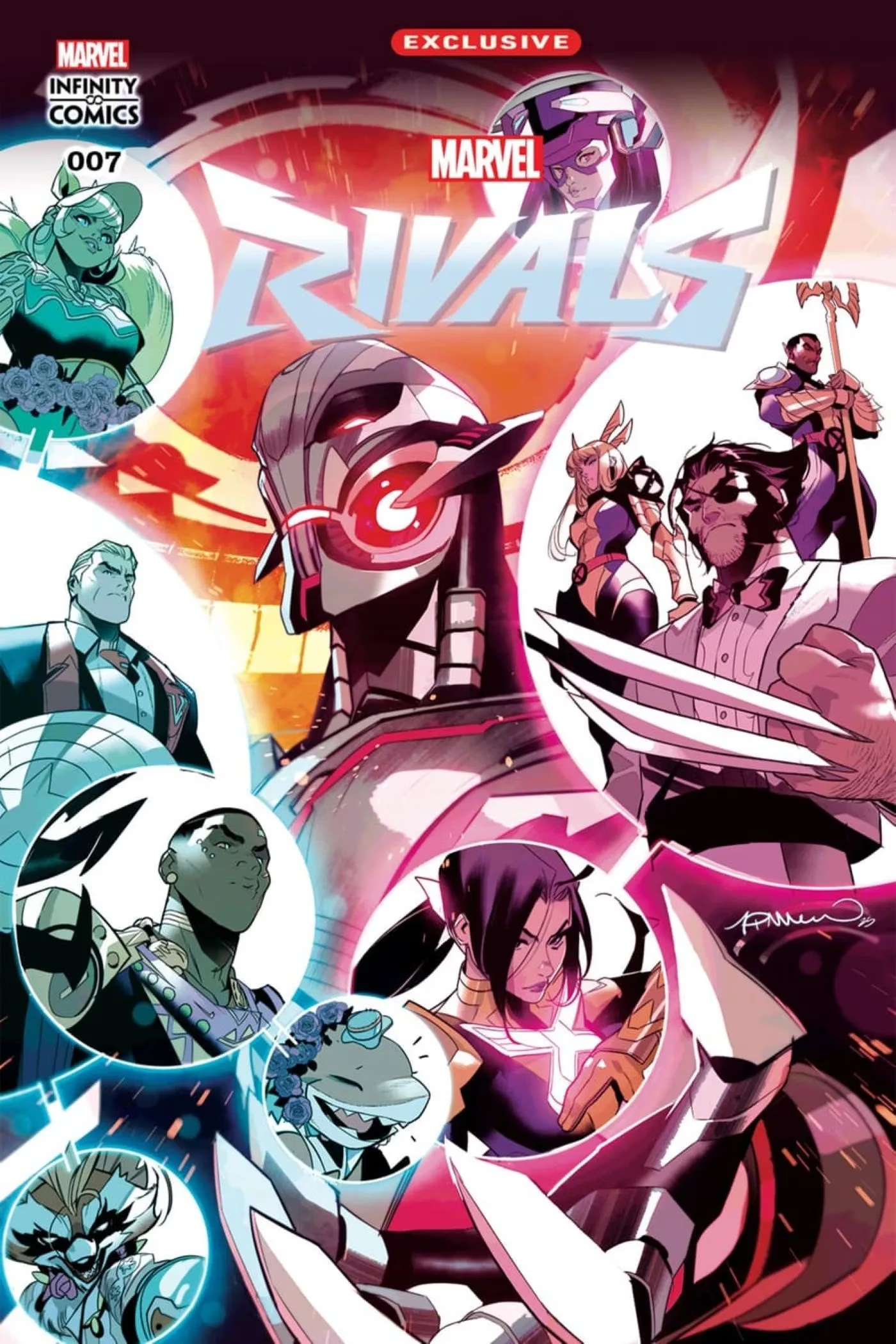
What truly excites me is how Marvel Rivals is expanding this story beyond the game itself. The launch of the Marvel Rivals Infinity Comic series is a masterstroke. Written by Paul Allor and illustrated by a talented team including Luca Claretti, this digital comic series dives deep into the narrative surrounding the Gala and Krakoa. For a lore enthusiast like me, having this complementary story—available exclusively on Marvel Unlimited—adds incredible depth. It bridges the gap between playing the action and understanding the full emotional and political weight of the events. It's a reward system for dedicated fans that goes beyond mere cosmetic items, offering substantial narrative enrichment.
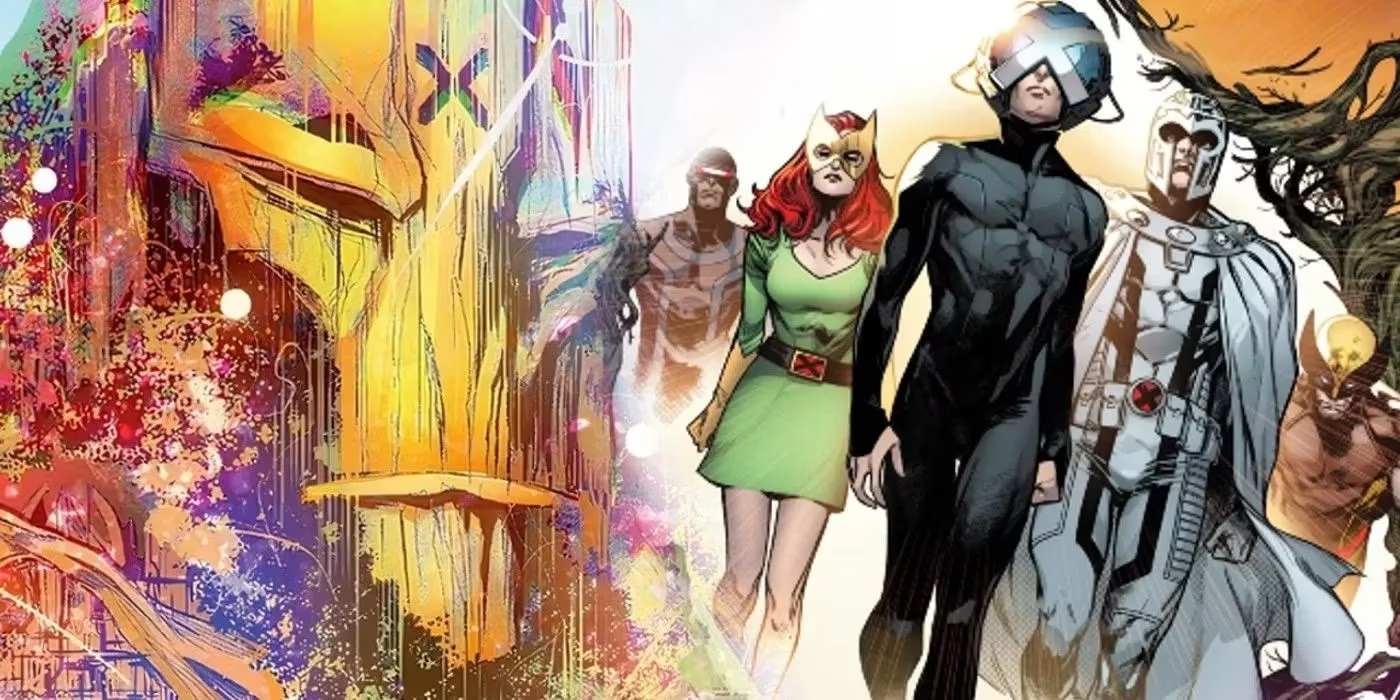
To fully appreciate this season, you need to understand the foundation it's built upon: the Krakoa Era. This wasn't just a change of address for the X-Men; it was a complete reimagining of their societal and cosmic identity. Led by visionary writer Jonathan Hickman, this era established Krakoa as a utopian haven, a living island that granted mutants immortality through resurrection protocols and unprecedented political power. Marvel Rivals taps directly into this revolutionary zeitgeist. The game doesn't just use Krakoa as a map; it channels the era's core themes:
-
🗺️ Sovereignty & Power: Mutants are no longer outsiders pleading for acceptance. They are a dominant, unified force.
-
💀 Overcoming Death: The Resurrection Protocols mean every battle in the game feels like part of a larger, eternal struggle.
-
🌍 Galactic Ambition: Krakoa's influence extended beyond Earth, forging alliances with alien empires.
Playing through Season 2, I'm not just fighting robots; I'm defending the culmination of years of mutant struggle. The Gala represents the pinnacle of Krakoan culture—its art, fashion, and diplomacy. Ultron's attack is therefore the ultimate violation, a symbol of the outside forces that constantly seek to dismantle mutant prosperity. This deep narrative integration is what sets Marvel Rivals apart. It’s a game made by fans, for fans, who crave more than just a superficial superhero skin.
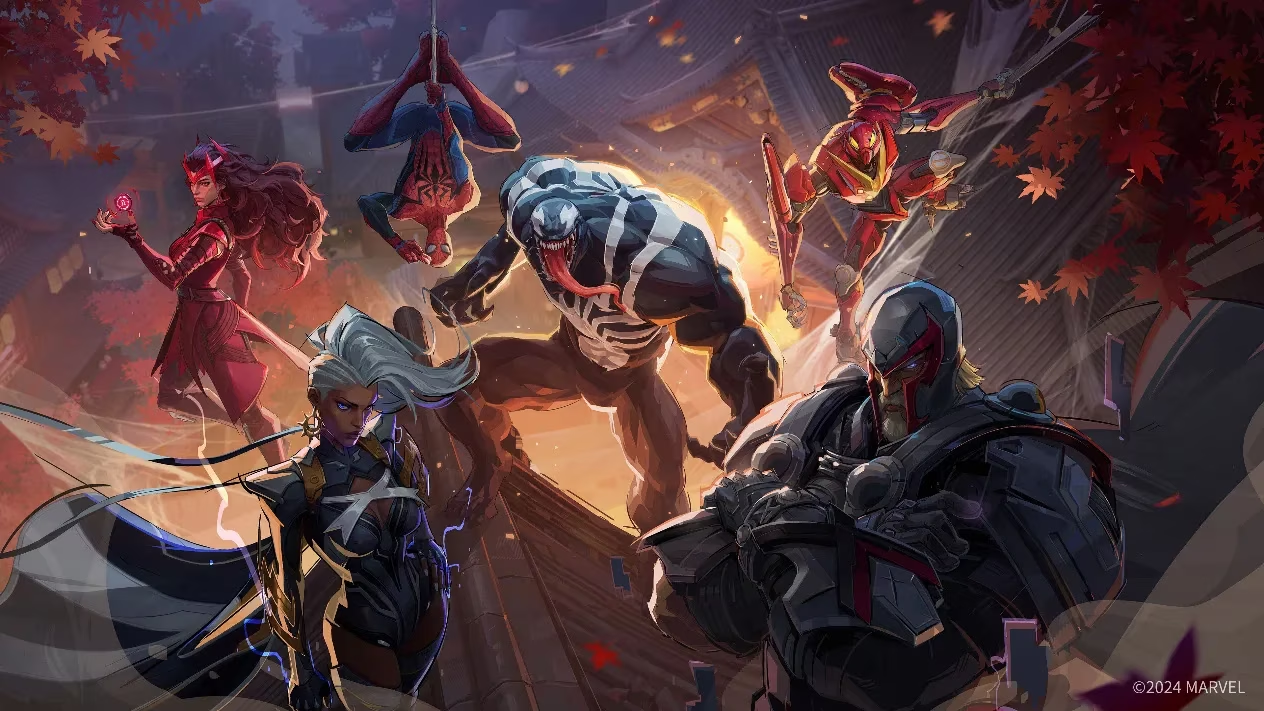
The visual presentation of this season is nothing short of spectacular. The developers have captured the unique aesthetic of the Hellfire Gala, blending haute couture with otherworldly Krakoan flora and technology. Here’s a glimpse at some of the incredible design work that sets the stage for our battles:
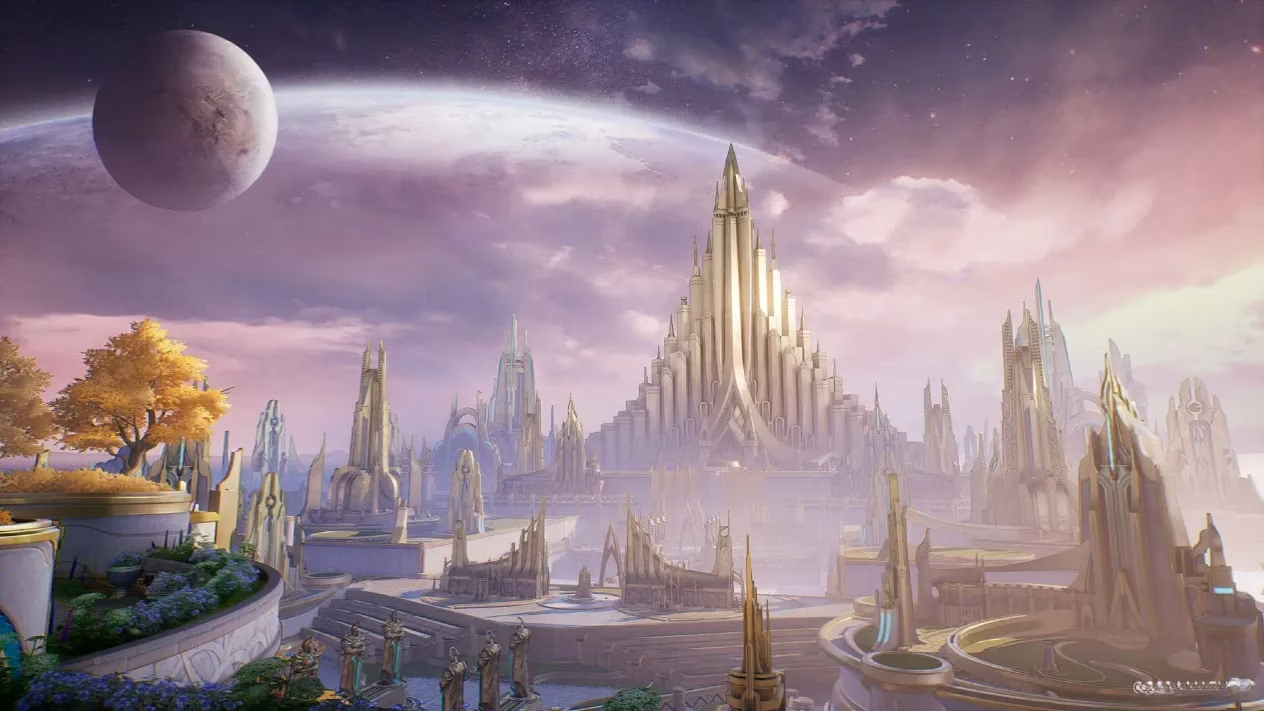
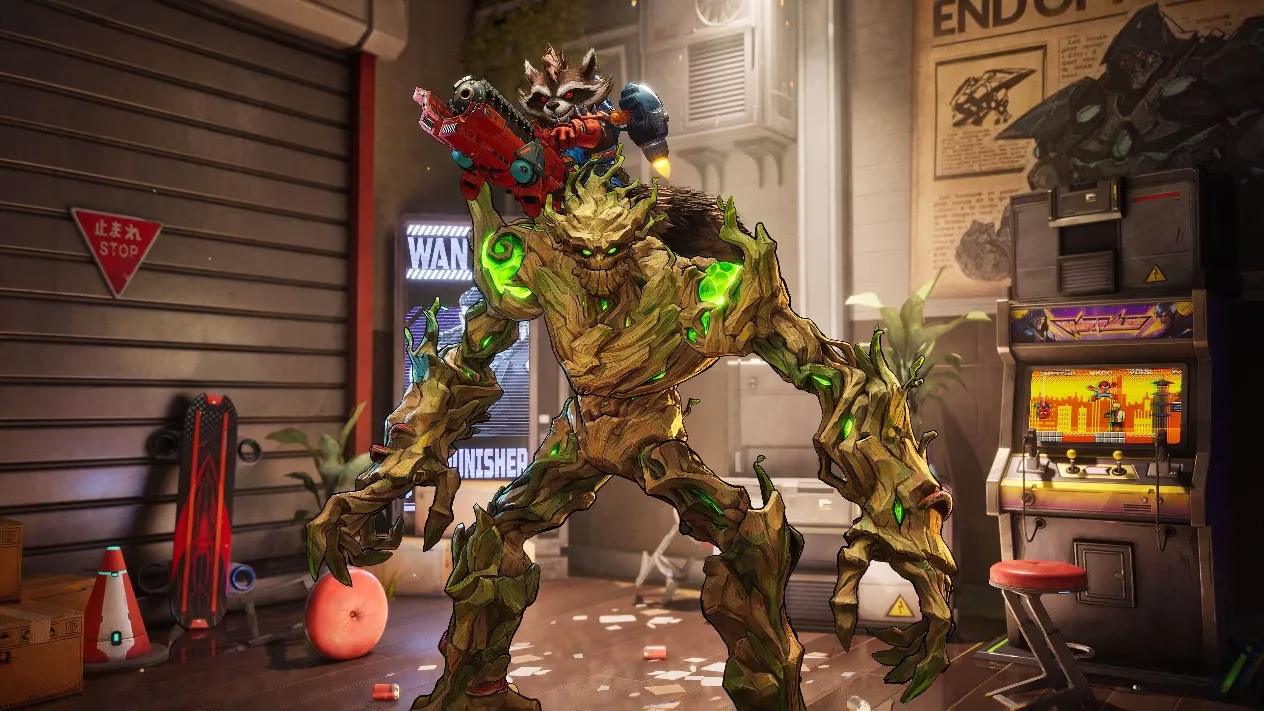
From a gameplay perspective, the new season introduces more than just a story. It brings:
| Feature | Impact on Gameplay |
|---|---|
| New Themed Maps | Battlegrounds set within the Gala venue, forcing tactical play around lavish but destructible environments. |
| Hellfire Gala-inspired Skins | Cosmetic items that let your favorite heroes don their most iconic formal wear for battle. |
| Narrative-driven Events | Limited-time modes that directly tie into the comic book storyline, offering unique rewards. |
| Updated Hero Kits | Tweaks and balances for characters like Storm and Magik to better reflect their roles as defenders of Krakoa. |
As someone who has followed the X-Men's journey for years, seeing the Krakoa Era receive this level of interactive celebration is thrilling. Marvel Rivals Season 2 does more than add new content; it reignites the passion for a defining comic book age. It allows players to actively participate in a key historical moment for mutantkind, fighting not just for victory points, but for the soul of a nation. The fusion of competitive PvP action with deep, respectful lore adaptation is a formula that continues to impress me. With the Infinity Comic #7 launching on April 11, 2025, the saga continues to unfold, promising to make my time both in and out of the game richer. This is more than a season update; it's an immersive dive into a mutant utopia under siege, and I, for one, am proud to be on the front lines.